Vermouth's Renaissance: Beyond Cocktails to a Complex Fortified Wine
Vermouth stands as a gladiator among beverages, boasting both robust strength and intricate complexity. This fortified wine, often overshadowed by its role in cocktails, is now stepping into the spotlight with its rich depth and nuanced flavors.
The Historical and Global Journey of Vermouth
Originating in 19th-century northern Italy, vermouth has evolved from a European staple to a globally produced drink. It is crafted by aromatizing a base wine with botanicals such as wormwood, gentian, citrus peel, herbs, and spices, then fortified with grape spirit or brandy to achieve an alcohol content between 15% and 18%. While traditionally associated with western Europe, modern production spans wine regions worldwide, reflecting its growing popularity.
Unlocking Vermouth's Complexity
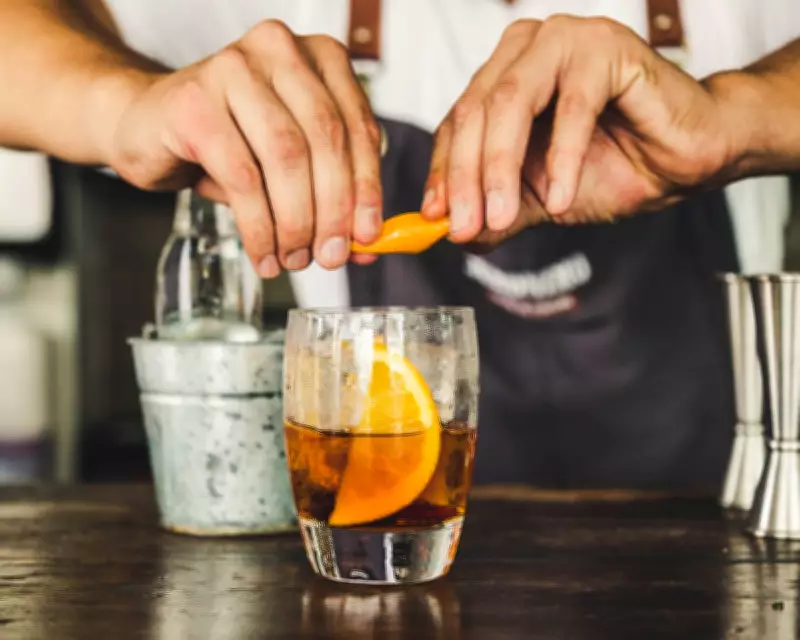
Historically, vermouth has been underrated, often categorized merely by color or dryness rather than its unique tasting notes. Its true character shines when served simply, such as on the rocks with an orange and olive garnish, allowing the base wine, botanicals, and aging process to be fully appreciated. For instance, comparing Atamán from Jerez, made with palomino grapes, and Golfo from Ribera del Duero, using old vine tempranillo, reveals distinct profiles that highlight vermouth's diversity.

Craftsmanship and Regional Flair in Vermouth Production
Traditional brands like Noilly Prat and Dolin often use unnamed local grapes, maintaining a sense of mystery. In contrast, producers like Cocchi from Turin, the birthplace of vermouth, emphasize transparency by specifying varietals such as cortese in their Vermouth di Torino Extra Dry, showcasing regional craftsmanship. Similarly, winemakers like Matthiasson in Napa Valley have introduced vintage craft vermouths with named grape blends and locally sourced botanicals, such as cardoons, elevating the drink's artisanal appeal.
Vermouth in Modern Consumption and Trends
Vermouth is not just a cocktail ingredient; it deserves to be enjoyed on its own. A good dry white vermouth is essential for martinis, while a sweet-bitter option like Cinzano Rosso excels in negronis or as a digestif. According to Waitrose's Food & Drink report, vermouth is predicted as a trend for 2026, with searches increasing by 26%, signaling a resurgence in appreciation for its versatility and depth.
Six Vermouths to Excite the Tastebuds
- Martinez Lacuesta Vermut Blanco (£16.99, 15% ABV): A perfect dry white vermouth, ideal for martinis.
- Atamán Vermut (£38.25, 17% ABV): A long-aged, complex vermouth from sherry country, best paired with nuts and salty snacks.
- Cinzano Vermouth Rosso (£11, 15% ABV): A cocktail classic for negronis, also enjoyable on the rocks or with tonic.
- Vault Aperitivo Forest Red Vermouth (£42, 16.6% ABV): A craft red vermouth made in London using British wine.
- Dolin Chambery Dry Vermouth (£12.50, 17.5% ABV): A bartender favorite, this delicate white vermouth is crafted with alpine wine.
- Matthiasson Vermouth No 5 (£49, 17% ABV): A spicy, nutty vermouth from California, made with aromatic grapes and best enjoyed without mixing.
Vermouth's journey from a humble cocktail component to a celebrated fortified wine underscores its enduring appeal and growing recognition in the culinary world.