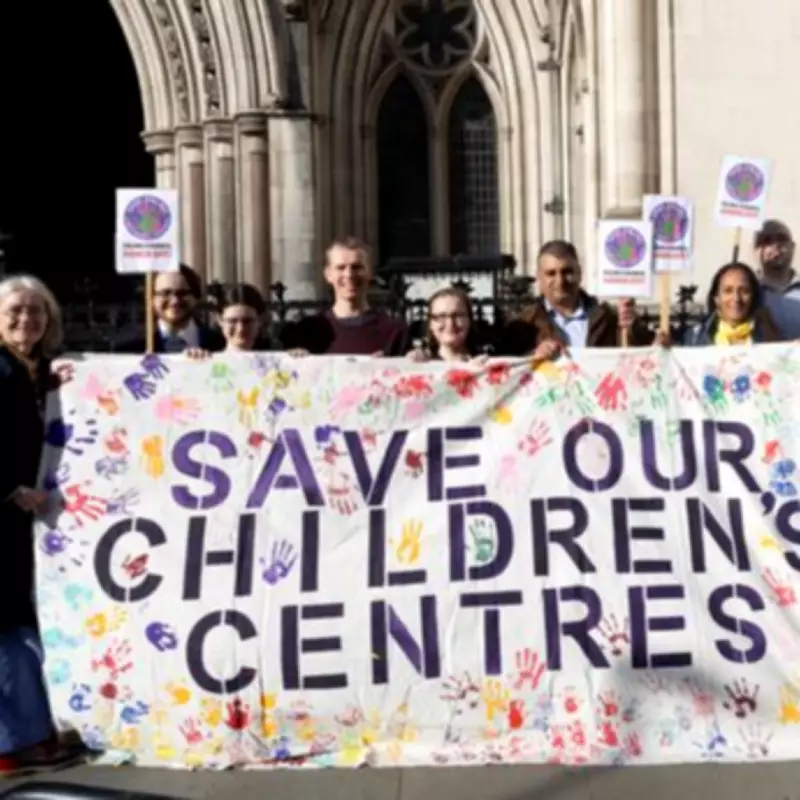
Ealing Council Wins Legal Battle Over Children's Centre Closures
A judicial review launched by parents against Ealing Council's controversial plans to close children's centres has been dismissed in its entirety by the High Court. The decision, made public on Thursday, April 16, allows the council to proceed with closing ten of the borough's twenty-five children's centres, a move that has sparked significant community opposition and legal challenge.
The Legal Challenge and Its Dismissal
The case was heard at the High Court on February 24 and 25, with Mr Justice Kimblin presiding. The claimant, a parent acting on behalf of their two-year-old child, argued the council's decision was unlawful on three grounds. First, they alleged the council had pre-determined the closures before public consultation, citing that savings from the closures were included in the budget. Second, they claimed the consultation materials failed to adequately explain why specific centres were chosen for closure. Third, they argued the council violated the Childcare Act 2006 by not ensuring sufficient provision of children's centres to meet local need.
However, the judge rejected all three arguments. On the first claim, he ruled that the budgetary process was merely a proposal and did not require prior consultation, noting that the council reduced the number of closures after consultation, indicating the outcome was not pre-determined. On the second claim, he found the consultation provided adequate information and generated meaningful public engagement, leading to changes in the proposal. On the third claim, he concluded the council properly upheld the act's requirements, considering geographical, demographic, and financial factors without logical error.
Background and Community Response
Ealing Council initially announced plans in June 2025 to close twelve children's centres, later revising it to ten closures. The decision has been met with fierce resistance from local groups, including Save Ealing Children's Centres (SECC), which expressed disappointment at the verdict. In a statement, SECC highlighted their extensive campaign efforts, including protests, meetings with councillors and MPs, and ultimately the judicial review. They maintain that the council has not provided sufficient evidence that services will improve through closures and outreach at remaining centres.
The council argues that the closures are part of a strategy to enhance early help services, claiming it will increase access through outreach and extended hours at the remaining centres. SECC, however, contends that keeping centres open while improving access would be a better approach. Despite the legal setback, the group vows to continue monitoring the council's implementation of its plans to ensure they meet local needs.
What Happens Next?
With the judicial review dismissed, Ealing Council is now authorized to move forward with the closure plans. The Local Democracy Reporting Service understands that the claimant is considering launching a further appeal, potentially prolonging the legal battle. This case underscores the tensions between local government austerity measures and community services, particularly in areas like early childhood support where demand is high.
The outcome sets a precedent for how councils can navigate budget cuts and service restructuring while adhering to legal consultation requirements. As Ealing Council proceeds, all eyes will be on whether their promised improvements in early help services materialize, affecting thousands of families in the borough.