Bristol Council Defends Bench Placement Facing Brick Wall
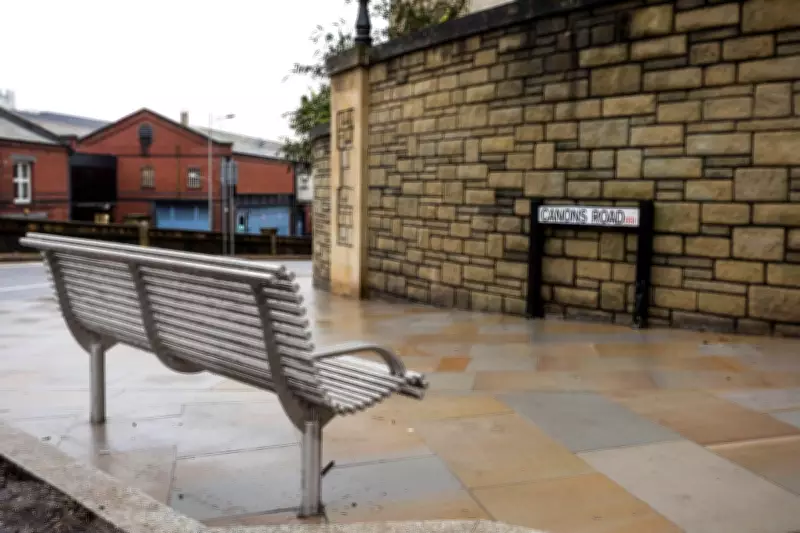
Bristol city council has defended the installation of a new bench that faces a brick wall, a decision that has aroused local curiosity and mockery. The council explained that when a planned tree is planted, the bench will provide a shady resting spot on a steep hill, but it has promised to review the placement in response to public feedback.
Benchmarking Poorly Placed Seating in Other Cities
This incident has highlighted a broader issue of perversely placed benches in urban areas. BBC West noted similar cases in Bristol, such as a bench in Shirehampton facing a derelict building and one in Wedmore facing a hedge. To explore this further, a benchmarking trip to York revealed that even in a city renowned for its beauty, many benches are not ideally situated.
On a rainy February afternoon, benches on Peasholme Green, though arranged around a planter, offered views of a building site, a 1950s telephone exchange with a giant mast, and reflections in plate-glass office windows. In the tourist heart of York, a bench was found facing a wall that included Fenwick's staff entrance and a public toilet, bypassing nearby bellowing Vikings in Coppergate.
The Worst Offenders: Benches Turning Away from Scenic Vistas
Some benches in York are particularly egregious, installed with their backs to pleasant vistas. One looks towards a row of bollards instead of the ancient city walls behind it, while another turns away from the willow-lined banks of the River Foss, where kingfishers are sometimes spotted, in favor of Morrisons' petrol station and a busy junction.
The Importance of Benches as Acts of Civic Kindness
Despite these unlovely aspects, benches serve a crucial role in urban environments. Walking for hours can be tiring, and sometimes the view is irrelevant when one simply needs a rest. Benches, however poorly placed, embody an important act of civic kindness by providing public seating for residents and visitors alike.
However, there is a caveat: backless benches have become regrettably common, offering little lumbar support and reducing comfort. This trend highlights the need for better design in public infrastructure to ensure that benches are not only well-placed but also supportive and accessible for all users.
In summary, while Bristol's bench placement has sparked debate, it underscores a larger conversation about how cities design and position public seating. From brick walls to scenic overlooks, the placement of benches reflects broader priorities in urban planning and community welfare.