
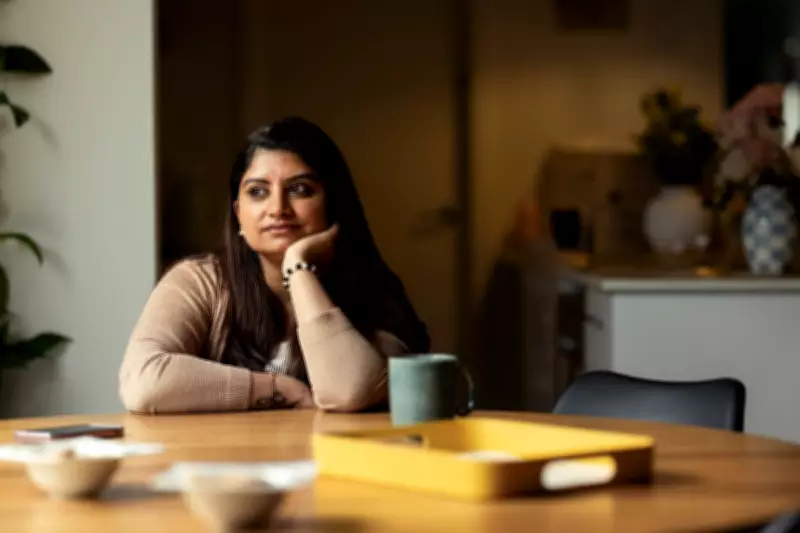
Deepa Chaudhary moved to Australia from India four years ago and worked until her baby was born in January last year. As a permanent resident, she discovered that support for new mothers is limited. She describes the stress and mental health issues of being a new mother in Australia without access to maternity payments due to residency requirements.
Welfare Access for Non-Citizens
In his budget reply speech, opposition leader Angus Taylor claimed that people receive welfare 'as soon as they arrive' in Australia. However, refugees, international students, temporary visa holders, and permanent residents all face varying waiting periods for government assistance. For instance, there is a four-year wait for parenting payments and a ten-year wait for disability support.
Violet Roumeliotis, CEO of Settlement Services International, stated that Taylor's proposal would exclude people who are living, working, and paying taxes in Australia from accessing supports they help fund. Permanent residents already face waiting periods of up to four years for many social security payments.
Impact on Migrants
Chaudhary says surviving the wait for support is hard enough, let alone the difficulties of obtaining citizenship. Her husband works multiple jobs to pay bills, leaving little time for family support. Taylor used the phrase 'mass migration' three times in his speech, pledging to cut immigration and deny non-citizens access to programs like the NDIS, JobSeeker, youth allowance, and Family Tax Benefit. Former Nationals leader Barnaby Joyce thanked the Coalition for following the One Nation script.
About one in three people in Australia were born overseas. To become a citizen, most must be permanent residents for four years, with application processing taking over a year. Major immigrant groups from China (732,000) and India (over 970,000) cannot hold dual citizenship, meaning they must renounce their original citizenship. This can affect property, investments, and pensions in their home countries.
Emotional and Economic Consequences
Chaudhary says giving up Indian citizenship would be an emotional and economic blow, as her roots, parents, and ancestral property are there. Taylor told the ABC that permanent residents are 'not forced to give up anything' but must become citizens to access welfare privileges. He emphasized that the changes would not affect current recipients.
The Asylum Seeker Resource Centre called Taylor's speech disgraceful, claiming his statement that non-citizens receive welfare upon arrival is a lie that demonizes migrants.
Broader Implications
Eric Ma came from China in 2010 to study at the Australian National University. After becoming a citizen, he lost Chinese citizenship, making visits to his parents difficult due to visa requirements. He now works in the legal sector and sees the necessity of programs like the NDIS. He believes politicians often ignore the contributions of migrant communities.
The Chinese Community Council of Australia says the move is part of a broader trend of negative rhetoric unfairly blaming migrants. The Australian Council on Social Services notes that permanent residents already wait four years for payments like JobSeeker and parenting payment, and ten years for disability support and the aged pension. Asylum seekers are often denied work rights and left destitute.
Anneke van Mosseveld, 79, arrived from the Netherlands in 1971. She worked as an academic and business owner, paying taxes all her life. The Netherlands does not allow dual citizenship, so she would lose her Dutch government pension if she became an Australian citizen. As a permanent resident, she cannot use some ATO online functions.
Senator Andrew McLachlan expressed deep concerns that the policy would create two types of community members, potentially leading to a stratified society.




