UK Border Rules Undergo Significant Overhaul for Dual Citizens
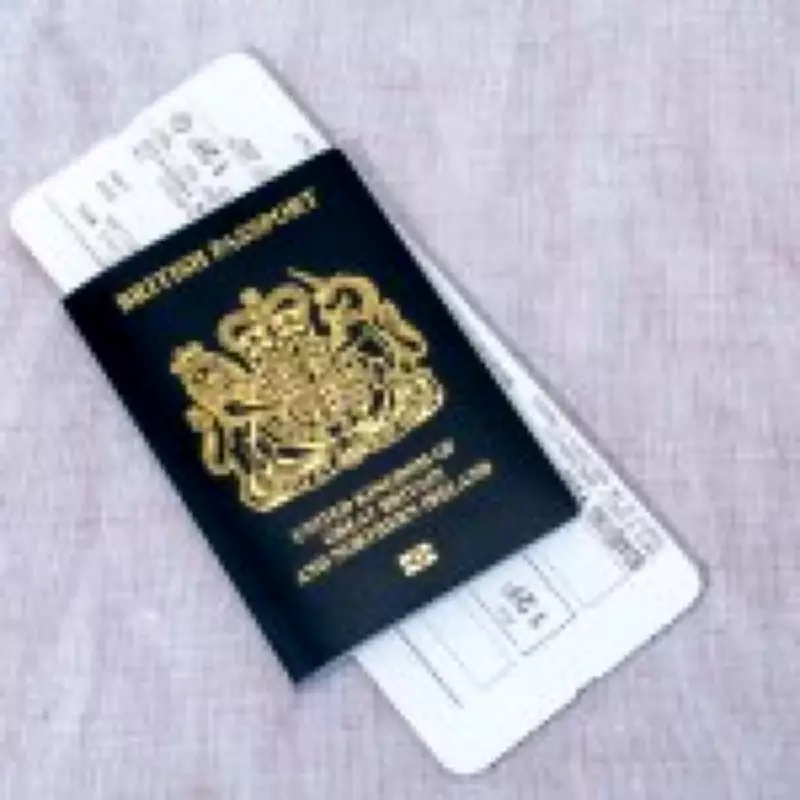
British dual nationals now face stricter entry requirements as new Home Office regulations take effect. From February 25th, 2026, individuals holding both British citizenship and another nationality must present a valid British passport or obtain a costly certificate of entitlement when entering the United Kingdom.
What Has Changed for Dual Nationals?
The transformation stems from the implementation of the Electronic Travel Authorisation (ETA) system, which applies to visitors from non-visa countries. While British citizens remain exempt from ETA requirements, the new framework eliminates the previous allowance for dual nationals to enter using their alternative passport.
Key changes include:
- British dual citizens must now enter the UK exclusively with a British passport
- The alternative option involves obtaining a certificate of entitlement attached to their foreign passport, costing £589
- Airlines retain discretion to refuse passengers without proper documentation
- Pre-departure checks by carriers make compliance essential
Who Is Affected by These Changes?
The Home Office defines dual nationals as:
- Individuals who have held dual nationality since birth
- People born in the UK who subsequently acquired citizenship of another country
- Naturalised British citizens who continue to maintain another nationality
Financial Implications and Practical Considerations
The cost disparity between documentation options is substantial. A standard adult British passport costs £94.50 when applied for online, while the certificate of entitlement carries a £589 price tag. Processing times typically span three weeks within the UK, though international applications may experience longer wait periods.
British citizens already abroad can apply for emergency travel documents at British embassies to facilitate their return. Passports issued after 2018 remain valid for ten years, providing long-term solutions for regular travelers.
Airlines' Role in Enforcement
Carriers face increased responsibility under the new system. While some airlines, including Ryanair, have indicated potential acceptance of alternative proof of citizenship such as expired British passports, they maintain ultimate discretion. Airlines risk significant fines for transporting passengers without appropriate documentation, creating strong incentives for strict compliance.
Irish Citizens Maintain Special Status
Under the Common Travel Area agreement, Irish citizens continue to enjoy privileged access to the UK. They remain exempt from ETA requirements and can travel freely using Irish passports without additional documentation. The UK does not conduct routine border checks for arrivals from the Republic of Ireland.
Public Reaction and International Context
Cesare, an Italian-born mathematics lecturer who naturalised as British in 2023, expressed concerns about the broader implications. "Everyone ends up paying the price of measures like ETA," he noted, highlighting how regulations targeting visitors inevitably affect broader populations.
Some observers point out that the UK is aligning with international standards. The United States operates the ESTA visa waiver program, while the European Union prepares to implement the ETIAS system for third-country nationals later this year.
Social media commentary reflects divided perspectives. One Facebook user remarked, "It's a privilege to have dual citizenship. Just keep both passports up to date and enter and exit on appropriate country's passport." This sentiment underscores the practical approach many dual nationals have adopted in response to the changing regulatory landscape.
Preparation Strategies for Affected Individuals
British dual citizens should take immediate action to ensure compliance:
- Verify the validity of existing British passports
- Initiate renewal applications well in advance of planned travel
- Consider the certificate of entitlement only as a last resort due to its prohibitive cost
- Maintain awareness of airline-specific policies regarding documentation
The Home Office has emphasized for months that entering the UK without a British passport would become increasingly difficult. These warnings have now materialized into concrete policy changes affecting thousands of dual nationals worldwide.