
Firings of Immigration Judges Reveal Trump's Free Speech Crackdown
In a stark demonstration of the Trump administration's approach to free speech, two immigration judges have been dismissed for upholding constitutional rights, while a third judge who enforced controversial deportations retains his position. This case underscores a broader pattern where loyalty to administration policies is prioritized over legal integrity.
Judges Fired for Upholding the Law
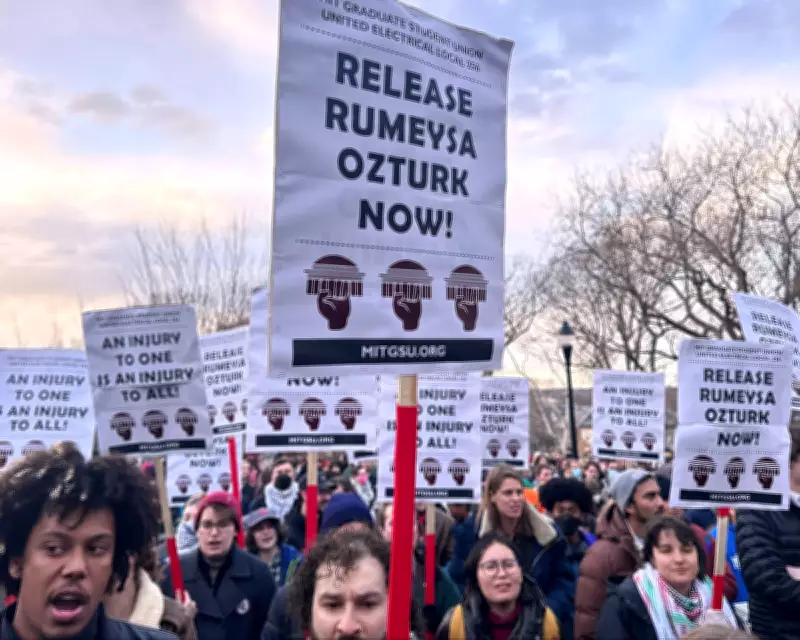
Judge Roopal Patel was terminated after rejecting the deportation of Rümeysa Öztürk, a Tufts doctoral student whose only offense was co-authoring an op-ed critical of Israel. The administration argued that such expressions equated to supporting terrorism, but Patel upheld the law, protecting free speech rights shared by millions of Americans concerned about Gaza.
Similarly, Judge Nina Froes was let go by the Department of Justice after she terminated the removal case against Mohsen Mahdawi, who was involved in campus protests at Columbia. Secretary of State Marco Rubio claimed these antiwar activities interfered with peace efforts in Gaza, a perplexing justification that highlights the administration's willingness to penalize dissent.
Loyal Judge Remains on the Bench
While Froes and Patel pack their bags, Blake Doughty, an immigration judge in Atlanta, continues to serve. His recent opinion ordering the deportation of Ya’akub Vijandre—a Daca recipient, Red Cross-trained first aid responder, activist, and photojournalist—may have secured his role. This follows a precedent where Judge Jamee Comans was promoted after ordering the removal of a pro-Palestine activist.
Doughty's ruling deemed Vijandre's social media posts, which expressed support for the "Holy Land Five" and others convicted on terrorism-related charges, as material support for terrorism. The Holy Land Foundation was the largest Muslim charity in the US before being designated a terrorist organization, with no evidence linking its funds to violence. Vijandre advocated for due process and better prison conditions, but Doughty dismissed this as extremist ideology.
Constitutional Implications and Broader Threats
The reasoning in Doughty's order is alarming, suggesting that first amendment rights are only for subject matter experts and that advocacy without full case knowledge indicates extremism. This logic could criminalize support for human rights organizations, as groups like Human Rights Watch and Amnesty International have criticized similar prosecutions.
Under expanded domestic terrorism guidelines like NSPM‑7, the administration's powers could target immigrants who question convictions or oppose policies, potentially placing them on watchlists. This precedent risks being abused by future administrations, regardless of party, as seen when Obama adopted Bush-era tactics for surveillance and drone strikes.
Journalists and writers are not exempt, with cases like Öztürk's abduction over an op-ed and deportations of reporters covering immigration policies. A recent email to law students at Liberty University emphasized political alignment with Trump over GPA for justice department roles, indicating a hiring strategy favoring loyalty over legal expertise.
This situation serves as a warning to judges who prioritize law over administration loyalty, threatening free speech and due process in the US immigration system.




