
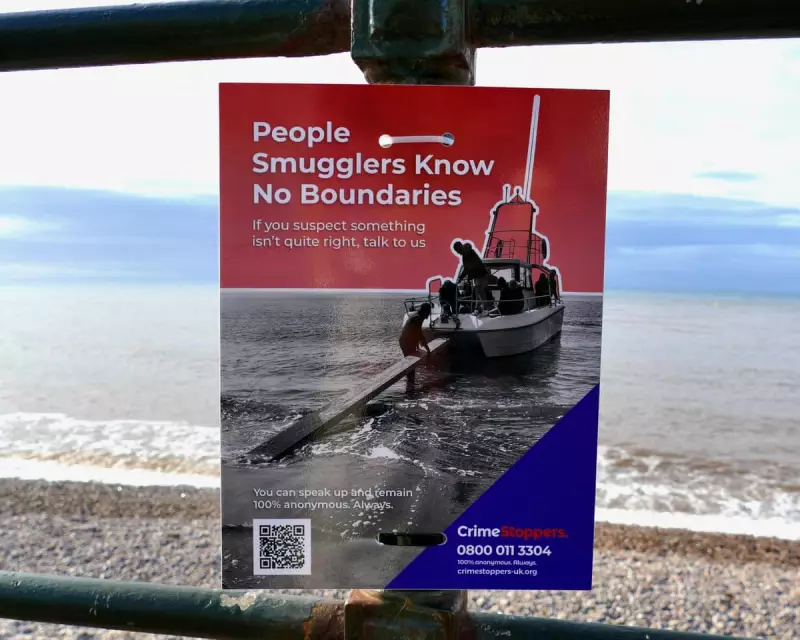
A new international report has delivered a stark warning: the very policies designed to crack down on people smuggling are instead fuelling it, creating a more profitable and resilient criminal industry.
Stricter Borders, Higher Prices
The findings, published by the Mixed Migration Centre of the Danish Refugee Council, are based on an extensive evidence base. Researchers conducted more than 80,000 interviews with migrants between 2019 and mid-2025, over 50,000 of whom used smugglers. They also spoke directly with 458 smugglers operating in West and North Africa between 2021 and 2025.
The data presents a clear picture. 57% of smugglers said they had increased their fees, with the vast majority (78%) linking this directly to the heightened risks posed by tougher border enforcement. Chloe Sydney, the centre's lead researcher, stated that many smugglers reported that "stricter enforcement is actually fuelling demand."
Demand Driven by Lack of Alternatives
Contrary to political rhetoric that smugglers lure people into making dangerous journeys, the report found that only 6% of migrants said smugglers influenced their decision. Most cited personal choice or advice from friends and family abroad.
The primary driver, according to the research, is the absence of safe and legal migration pathways. Roberto Forin, the acting director of the Geneva-based centre, explained: "When regular pathways shrink, the role of smugglers rises. The data makes it clear that smugglers are not the cause of irregular migration."
This is particularly evident in Europe, where campaigners argue that restricting routes like family reunification pushes people towards criminal networks.
Official Complicity and a Failing Strategy
One of the report's most alarming revelations is the level of official involvement. Nearly half (49%) of the smugglers interviewed admitted being in contact with state officials, including border guards, police, and detention staff, suggesting widespread complicity.
The report was timed to inform high-level discussions, including a meeting in Brussels next week on combating smuggling. It directly challenges strategies like the UK government's "smash the gangs" slogan. "Governments say they want to 'break the business model' of smugglers, yet our data shows the opposite is happening," said Forin.
A case study on the Central Mediterranean route underlined this failure. Despite a drop in irregular arrivals to Italy in 2024, 44% of smugglers on that route reported increased demand, partly due to tighter border measures. "Instead of breaking their business model, it is being boosted," Sydney concluded.
The report ultimately argues that without addressing the root causes of migration and expanding legal routes, policymakers are inadvertently strengthening the criminal networks they vow to dismantle.




