
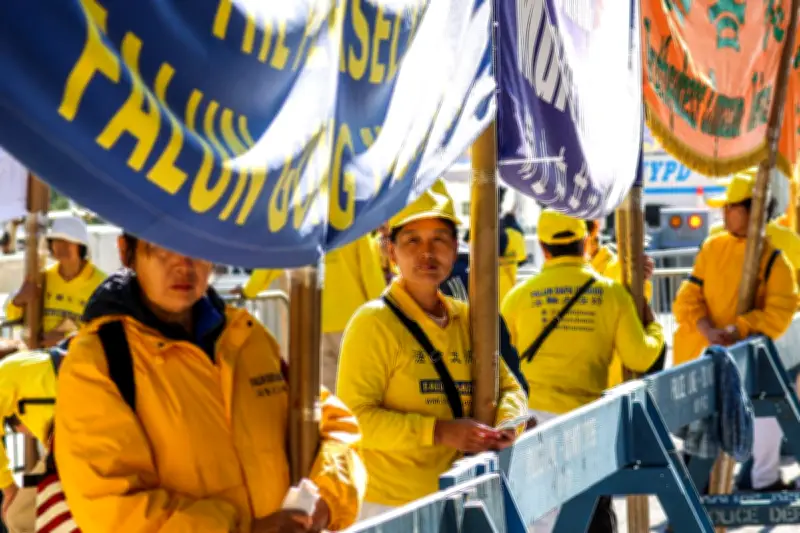
The United States Supreme Court has ruled that Cisco Systems, a multinational technology company, can be sued for allegedly aiding the Chinese government in its persecution of Falun Gong practitioners. The decision, issued on June 23, 2026, allows a lawsuit filed by the family of a deceased Falun Gong member to proceed under the Torture Victim Protection Act (TVPA).
Background of the Case
The lawsuit was brought by the family of Wang Jian, a Falun Gong practitioner who died in Chinese custody after allegedly being tortured. The plaintiffs claim that Cisco provided technology and expertise to the Chinese government that enabled the surveillance and targeting of Falun Gong members, including Wang. The case was initially dismissed by a lower court, which held that the TVPA does not apply to corporations. However, the Supreme Court reversed that decision.
Supreme Court's Ruling
In a 6-3 decision, the Supreme Court held that corporations can be held liable under the TVPA for aiding and abetting torture. Writing for the majority, Justice Elena Kagan stated that the statute's text does not exclude corporations from liability and that allowing such lawsuits serves the law's purpose of providing a remedy for victims of torture. The ruling also clarified that plaintiffs must prove that the corporation acted with the specific intent to facilitate torture.
Implications for Cisco and Other Companies
The decision has significant implications for Cisco and other US companies doing business in China. Cisco has denied the allegations, arguing that it complies with all applicable laws and that its technology is used for legitimate purposes. The company stated that it will continue to defend itself in court. Legal experts say the ruling could open the door to more lawsuits against companies accused of complicity in human rights abuses abroad.
Reactions and Next Steps
Human rights groups hailed the ruling as a victory for accountability. "This decision sends a clear message that corporations cannot profit from human rights abuses," said a spokesperson for Amnesty International. The Chinese government criticized the ruling, calling it an interference in its internal affairs. The case will now return to the lower court for further proceedings, where the plaintiffs must prove their allegations.




