
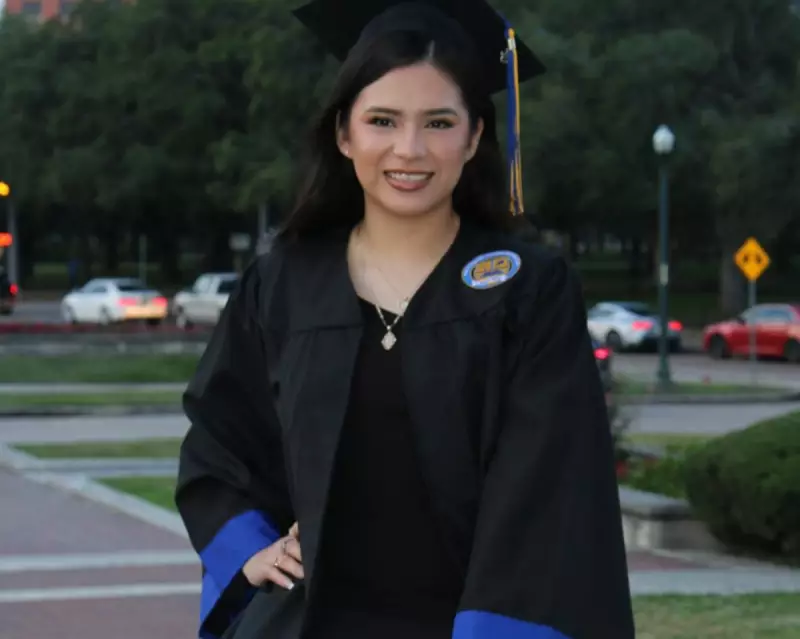
A university student has described the shocking and traumatic experience of being forcibly removed from the United States by immigration agents over the Thanksgiving holiday, calling the process a "horror show".
A Thanksgiving Shattered by Immigration Enforcement
The young man, identified as Josué Romero, was a 22-year-old student at the University of Utah. His life was upended on Wednesday, 27 November 2024, just before the Thanksgiving break. Romero was detained by Immigration and Customs Enforcement (ICE) officers and placed on a deportation flight bound for Honduras, a country he had not seen since childhood.
Romero had entered the US as a young child and was part of the Deferred Action for Childhood Arrivals (DACA) programme. His protected status, however, became entangled in legal complexities. According to his account, he was taken into custody without clear explanation of his immediate removal. He describes being processed at a facility in Louisiana before being shackled and escorted onto a flight.
The Harrowing Flight and Arrival in Honduras
The journey itself was a central part of the ordeal. Romero details being restrained alongside other deportees on a charter flight operated for ICE. He speaks of confusion, fear, and a profound sense of injustice as he was flown to San Pedro Sula, Honduras.
Upon arrival, he was left in a country largely foreign to him, with no immediate support network. Thanksgiving Day was spent not with family in the US, but navigating an unfamiliar and sometimes dangerous environment in Honduras. His story highlights the brutal human cost of immigration enforcement actions, particularly when they coincide with family-centric holidays.
Legal Recourse and Ongoing Fallout
Romero's case did not end with his deportation. His legal team in the United States filed an emergency motion, arguing his removal violated due process. Their efforts resulted in a rare judicial intervention. A federal judge ordered ICE to facilitate his return, citing potential irreparable harm.
As a consequence, Romero was returned to the US on Saturday, 30 November 2024, to continue his legal fight. He is now back in Utah, but the psychological scars of the event remain. His case raises significant questions about ICE's procedures and the treatment of individuals with longstanding ties to American communities.
The incident has sparked renewed debate over US immigration policy and the enforcement practices of ICE, especially concerning DACA recipients and others who have built their lives in the country from a young age. Romero's narrative serves as a potent reminder of the personal tragedies that often unfold within the broader political landscape of border control.




