
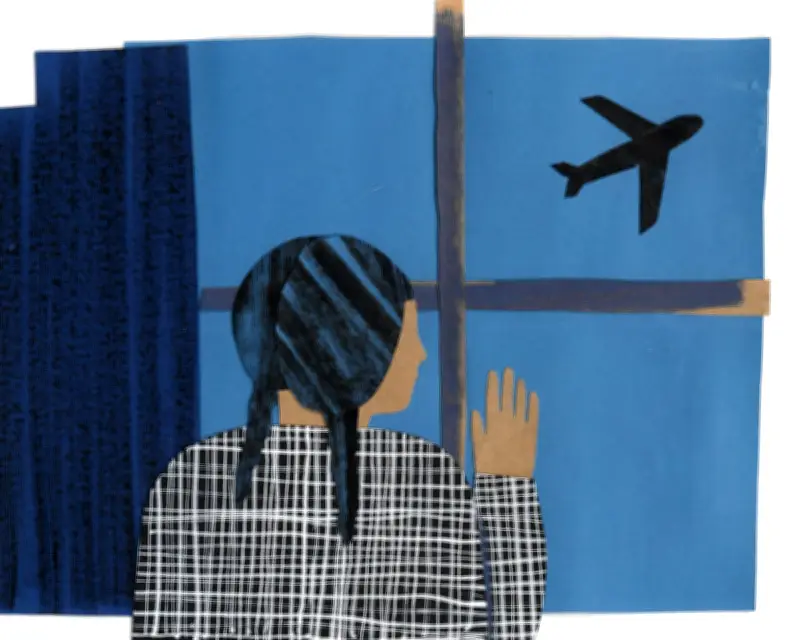
Maria, an 11-year-old from Târgoviște, Romania, manages her grandmother's medication, accompanies her to doctor visits, and handles household chores. She has lived with her grandparents since she was three months old, after her parents left for work in Spain and later Germany. Her mother now works as a cleaner in London, while her father is largely absent.
Scale of the issue
According to Romanian social services, over 53,000 children have at least one parent working abroad, with more than 10,000 having both parents or the sole breadwinner abroad. However, a 2022 study estimates the real number exceeds 530,000, with 184,000 having both parents away. The Romanian authorities reported 76,000 for the same period. Anca Stamin, programme manager at Save the Children, notes that schools collect data two to three times higher than social services, partly due to parents not registering legal guardians for fear of state intervention.
Economic drivers
Romania, one of the EU's poorest countries, has the bloc's largest diaspora, with over 3 million officially living abroad. Despite economic growth, wages remain low. A parent working as a cleaner or labourer in London or Frankfurt can earn in a week what they might earn in a month in Romania. Diana Sabu, who works as a cleaner in France while her eight-year-old son Edi stays with his grandmother, said, "If I could find a job in Romania that paid enough to live without fear of tomorrow, I would come back tomorrow."
Emotional impact
Research shows severe emotional effects on children, including guilt, withdrawal, anxiety, and aggression. Psychological support is scarce. A recent survey found over three-quarters of parents abroad struggle to maintain emotional bonds, and nearly half did not return home for Easter this year due to costs. Children often feel guilty, as parents frame their departure as a sacrifice. Stamin said, "Parents make various promises they don't keep, and if they fail to do so, the emotional burden falls heavily on the child's shoulders."
Programmes and testimonies
Save the Children runs after-school programmes in 50 Romanian schools, including two in Târgoviște, offering activities, homework support, and meals. Dana Zoe, the Târgoviște programme manager, said, "These children mature so quickly. But they're also more sensitive than others. It's a trauma and you can see it manifest." When asked, children consistently say they would rather be poor and have their parents present. Eight-year-old Edi, whose mother left for Corsica in April, lives with his grandmother Roxana. His mother earns about €1,600 a month as a cleaner, with accommodation and meals covered, far more than in Romania. She falls asleep on video calls with him each evening and plans to return in October to buy a home.
Long-term perspective
Darius Gavriș, now 17, grew up with his grandparents after his parents left for Spain and then Italy. He saw them every two years until age 11, and four years passed during the pandemic. He recalled watching other children with their parents and said, "I wanted that too." However, he added, "It made me stronger, in a way, more ambitious, because I wanted to make my parents proud." Maria, who stays awake to ensure her grandmother is well, does not want to move to London with her mother and brother. She said, "I always fall asleep after my grandma, I need to make sure she's OK and then I can sleep."




