
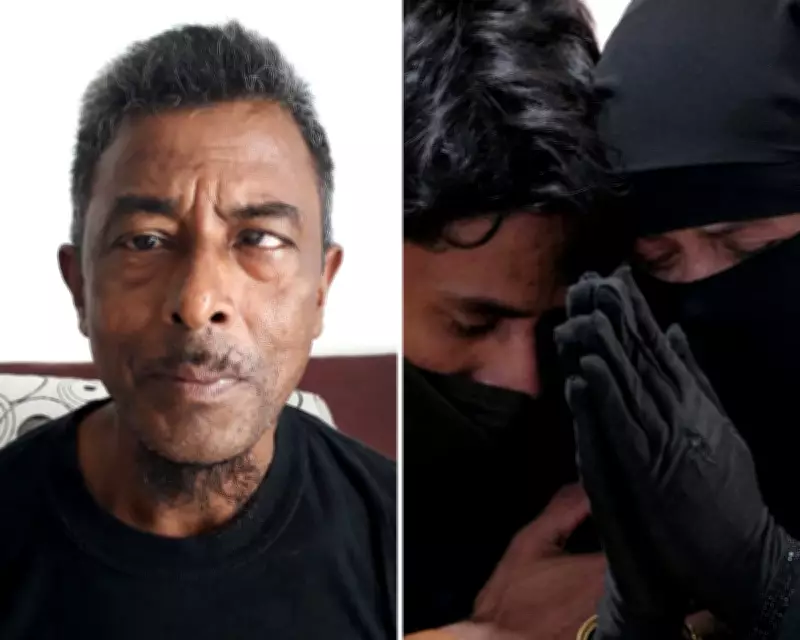
Family Demands Answers After Rohingya Refugee's Homicide Ruling in Buffalo
On February 19, 2026, Mohamad Faisal Nurul Amin and his family gathered for pre-dawn prayers in their Buffalo apartment, anticipating the return of his father, Nurul Shah Alam, a 56-year-old Rohingya refugee. After nearly a year apart, they believed their family would reunite for Ramadan. However, Shah Alam never arrived home. Five days later, his body was discovered four miles from where U.S. Border Patrol agents had left him without notifying his family or attorneys, wearing only orange detention booties in below-freezing temperatures.
On April 1, the Erie County Medical Examiner's Office ruled Shah Alam's death a homicide, citing complications from a perforated duodenal ulcer precipitated by hypothermia and dehydration. The report stated that homicide includes deaths resulting from negligent acts or omissions by others. This ruling has intensified scrutiny of federal immigration practices under the Trump administration, with advocates condemning the handling of detainee releases.
A Tragic Sequence of Events
Shah Alam, who lost much of his sight in a childhood accident, was arrested on February 15, 2026, after wandering into a resident's backyard in Black Rock, Buffalo. Confused and unable to speak English, he was tasered and tackled by police, leading to charges including felony assault. His family chose not to post bail, fearing immigration custody or deportation. On February 19, after a plea deal reduced his charges, he was released from the Erie County Holding Center.
Despite his family waiting outside, Border Patrol agents took custody and later dropped him at a closed Tim Hortons at 8:18 PM. He was left without warm clothing, shoes, or communication with his family. The Department of Homeland Security claimed agents offered a "courtesy ride" to a safe location, but New York Attorney General Letitia James disputed this, noting Shah Alam's inability to speak English.
Broader Implications and Community Impact
Shah Alam's death has shaken Buffalo's small Rohingya community of about 2,000 people, many of whom fled ethnic genocide in Myanmar. Advocates argue the case reflects systemic failures in coordinating detainee releases, with individuals often abandoned without safeguards. Michelle Brané, executive director of Together and Free, described the practices as "intentionally cruel," highlighting ignored protocols for safe releases.
The homicide ruling has prompted calls for transparency and accountability from lawmakers, including Congressman Tim Kennedy, who emphasized that Shah Alam would be alive with proper medical care. The New York Attorney General's office has opened a formal investigation into the incident.
A Family's Devastation and Hope
For Shah Alam's family, the loss is profound. His wife, Fatimah Abdul Roshid, expressed devastation over his solitary death, noting his lifelong wish for family unity. The family now hopes to reunite with their three sons in Malaysia to mourn together. Mohamad Faisal Nurul Amin described the ordeal as "cruel" and "inhuman," shattering their sense of safety in the United States.
As investigations continue, Shah Alam's death underscores urgent questions about immigration enforcement and the treatment of vulnerable detainees, leaving a community in mourning and demanding justice.




