
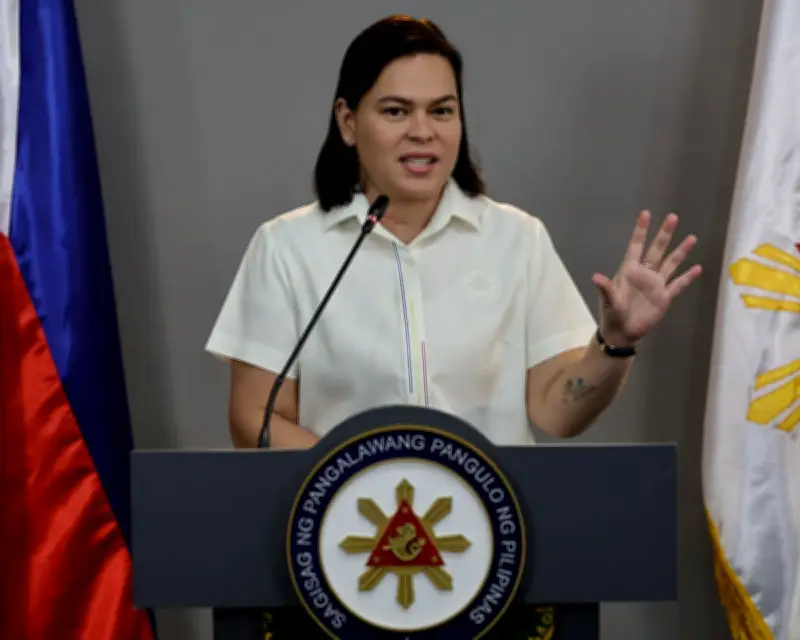
The impeachment trial of Philippine Vice President Sara Duterte has commenced, with the former president's daughter facing allegations of corruption, betrayal of public trust, and constitutional violations. The trial, which began on July 6, 2026, marks a historic moment in Philippine politics, as it is the first impeachment of a sitting vice president in the country's history.
Charges and Allegations
The House of Representatives voted 215-8 in June to impeach Duterte, citing three main articles: culpable violation of the constitution, bribery and corruption, and betrayal of public trust. Specifically, she is accused of misusing PHP 1.25 billion (approximately $22 million) in confidential funds allocated to the Office of the Vice President and the Department of Education, which she previously headed. The funds were allegedly diverted to unauthorized projects and personal use.
According to the impeachment complaint, Duterte also failed to account for PHP 500 million in intelligence funds, and she allegedly pressured education officials to approve contracts for her allies. The complaint further claims that she attempted to obstruct investigations by the Ombudsman and the Commission on Audit.
Political Context and Implications
The trial is seen as a major test for the administration of President Ferdinand Marcos Jr., who has distanced himself from Duterte since their alliance fractured in 2024. Political analysts suggest that the impeachment is part of a broader power struggle between the Marcos and Duterte political dynasties. Sara Duterte is the daughter of former President Rodrigo Duterte, who remains a powerful figure in Philippine politics.
If convicted, Duterte would be removed from office and disqualified from holding public office in the future. The trial is expected to last several weeks, with the Senate acting as the impeachment court. A two-thirds majority vote (16 of 24 senators) is required for conviction.
Duterte's Defense
Duterte has denied all charges, calling the impeachment a "political persecution" and a "sham." In a statement, she said, "I have not misused a single centavo of public funds. These allegations are baseless and are meant to destroy my political career." Her legal team argues that the impeachment articles are vague and lack evidence, and they have filed a motion to dismiss the trial on constitutional grounds.
Supporters of Duterte have held rallies outside the Senate building, denouncing the trial as a "political witch hunt." Meanwhile, human rights groups have expressed cautious optimism, noting that the trial could set a precedent for accountability among high-ranking officials.
Historical Significance
The impeachment trial is only the second in Philippine history involving a senior official, after the impeachment of former President Joseph Estrada in 2000. Estrada was ousted by the Supreme Court after the impeachment trial collapsed due to a walkout by prosecutors. The outcome of Duterte's trial could have far-reaching consequences for the country's political landscape and the rule of law.
As the trial proceeds, all eyes are on the Senate, where 19 of the 24 senators are allied with Marcos. However, political analysts caution that the trial is not a foregone conclusion, as senators may prioritize institutional integrity over partisan loyalty.




