
The Northern Territory children's commissioner, Shahleena Musk, has resigned over controversial changes to child protection laws, accusing the Finocchiaro government of sidelining her and proceeding with amendments strongly opposed by First Nations organisations, human rights groups, and legal advocates.
Resignation over child protection reforms
Musk, a Larrakia woman appointed in December 2023, announced her resignation on Thursday night, stating her position had become untenable. She said she was unable to support the NT government's approach to substantial and wide-reaching changes to child protection laws, arguing that reforms of this significance must be grounded in evidence and developed through genuine consultation with experts and frontline organisations.
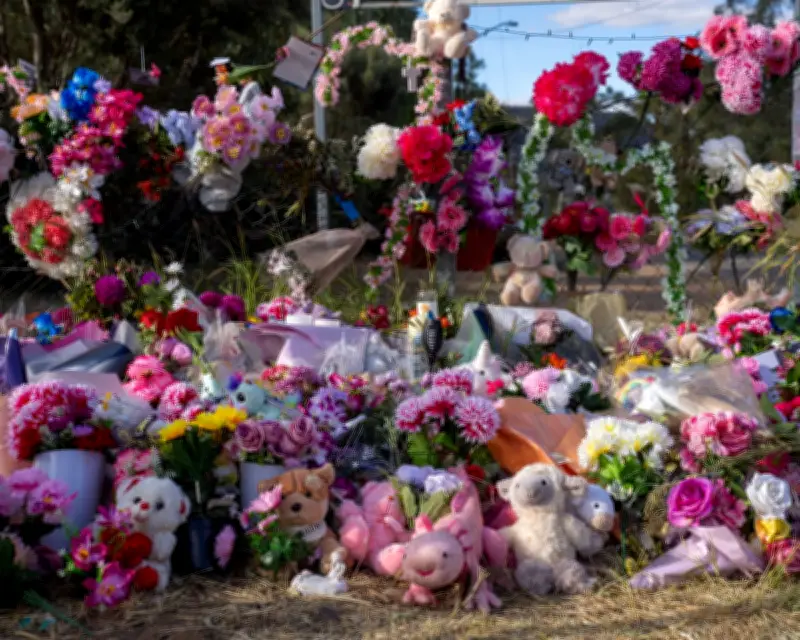
The NT government announced sweeping changes in May, following the alleged kidnapping and murder of five-year-old Kumanjayi Little Baby in Alice Springs in April. The man charged with her death had no family or domestic relationship to her or her parents.
Replacement of Aboriginal child placement principle
The new laws replace the Aboriginal child placement principle—a cornerstone of the national response to the Stolen Generation that prioritises keeping Indigenous children with Indigenous families and communities—with a so-called “universal principle.” The draft laws state that a child “must be removed … if there is a significant and likely risk of harm to the child” and should be placed in “close proximity” to their family as far as practicable.
Musk said she could not support laws that could erode protections around kinship placement. She accused the NT government of failing to effectively consult her office, noting that her role exists to provide independent advice, scrutiny, and advocacy on behalf of vulnerable children. Excluding or diminishing that role weakens the safeguards Territorians expect within the child protection system.
Concerns over transparency and accountability
Musk wrote that she was “increasingly concerned by trends that suggest a reduced commitment to transparency, accountability and evidence-based decision-making in the NT.” She stressed that independent statutory offices are essential for good governance and are not obstacles to reform. Undermining these institutions risks weakening the checks and balances that underpin democratic government.
The national Indigenous children's commissioner, Sue-Anne Hunter, described the loss of her territory counterpart as “dire” and criticised the lack of care and accountability. Hunter stated, “These circumstances are dire. There is no other way to put it. This is evident now more than ever in the NT. Our children are the ones dealing with the consequences. We need systemic reform, and we need our governments to listen to us.”
Government response
NT Minister for Child Protection, Robyn Cahill, rejected Musk's claim of being sidelined, saying they had met with the commissioner several times before the legislation was introduced. Cahill stated that Musk was “not the only person entitled to be heard.” She noted that the Foster and Kinship Carers Association NT, which represents Territorians who open their homes to these children, strongly backs the reform. Cahill added, “If Ms Musk were genuinely concerned about this, then the last thing she would be doing is walking away. My focus has never wavered. Every Territory child deserves to be safe, and that is the test I apply to every decision I make. If a person in a role like this will not put children's safety ahead of everything else, then it is right that they move on.”




