New Jersey Governor Takes Stand Against Federal Immigration Enforcement
In a significant move challenging federal immigration policies, New Jersey Governor Mikie Sherrill has issued an executive order that restricts Immigration and Customs Enforcement (ICE) agents from accessing certain state-owned properties. The Democratic governor announced the measure on Wednesday, accompanied by the launch of a new online portal designed for residents to submit photographic and video evidence of ICE enforcement activities.
Executive Order Details and Implementation
According to reports from NJ.com, Governor Sherrill's executive order specifically prohibits immigration officers from entering non-public areas of state-owned property unless they possess a judicial warrant. The order further bars ICE agents from utilizing state facilities as operational bases for enforcement actions. This policy shift comes amid increasing scrutiny of federal immigration enforcement tactics across the United States.
"We have witnessed numerous disturbing videos showing Donald Trump's ICE agents abusing their authority, damaging vehicles, deploying tear gas against families, shooting American citizens, and violating fundamental rights," Sherrill stated during a news conference covered by NJ.com. Her remarks highlighted growing tensions between state and federal authorities regarding immigration enforcement approaches.

Citizen Reporting Portal and Legal Review Process
The newly established online portal represents a novel approach to monitoring federal immigration activities at the state level. New Jersey officials have confirmed that the state attorney's office will systematically review all photos and videos submitted through the platform. While specific outcomes cannot be guaranteed for every report, acting State Attorney General Jennifer Davenport emphasized that "we will review every report with care" according to available reports.
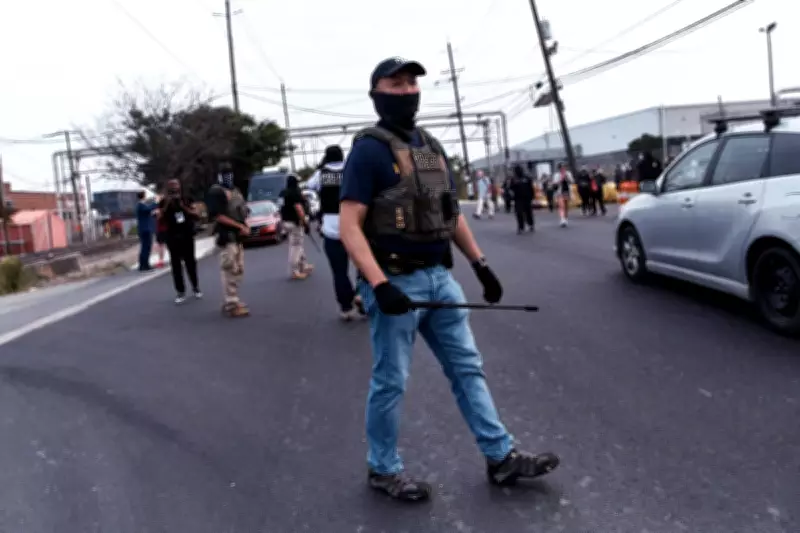
This initiative emerges as former President Donald Trump's administration has intensified immigration enforcement operations, particularly targeting states with Democratic leadership. Recent enforcement actions in Minnesota have sparked ongoing protests against what demonstrators describe as heavy-handed treatment of migrants and protesters. During this enforcement surge, immigration agents have reportedly killed two United States citizens, further fueling controversy.
Civil Rights Community Response and Broader Implications
Civil rights organizations have enthusiastically endorsed Governor Sherrill's actions. Amol Sinha, executive director of the ACLU of New Jersey, declared that "ICE is out of control, endangering our communities, and must be stopped." He continued, "New Jersey cannot be complicit as federal agents terrorize our residents and attack our fundamental constitutional freedoms – the time for action and leadership is now."
Sinha praised Sherrill for "using her executive power to hold ICE accountable" and described her approach as a model for governors nationwide. He further emphasized the need for legislative action, stating that "New Jersey must do everything in its power to keep families safe and defend democracy, and that includes immediate passage of legislation protecting our residents from ICE."
The ACLU leader concluded by expressing appreciation for "Governor Sherrill's meaningful efforts to combat ICE's lawlessness and abuse through this executive order" and anticipation for continued collaboration "to ensure everyone who calls our state home truly feels safe to live the life we all deserve."
This development follows similar state-level challenges to federal immigration policies, including a recent federal court decision blocking California from enforcing its own restrictions on ICE operations. As immigration remains a contentious national issue, New Jersey's actions represent another front in the ongoing struggle between state autonomy and federal enforcement priorities.