
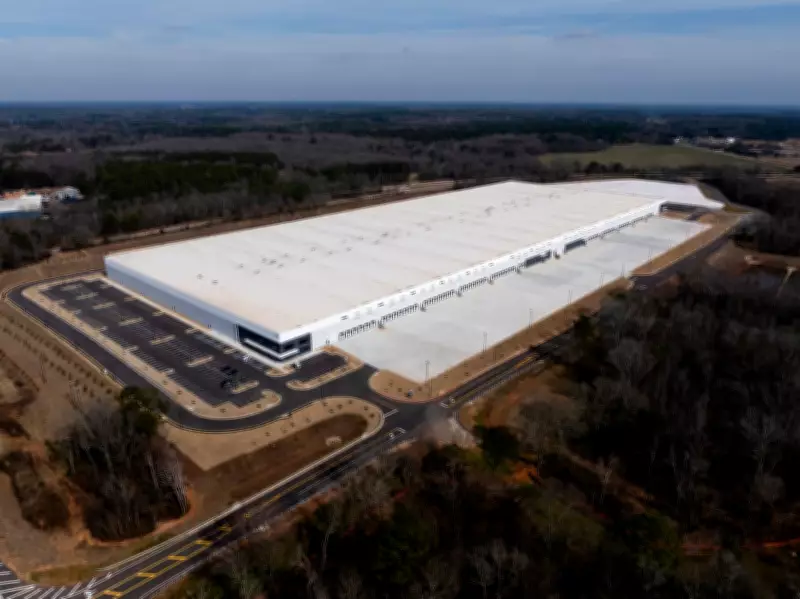
ICE Warehouses Repurposed as Detention Centers in DHS Initiative
The Department of Homeland Security (DHS) has implemented a significant policy shift by converting Immigration and Customs Enforcement (ICE) warehouses into detention centers. This move, announced in early 2026, aims to address the growing demand for immigrant detention facilities across the United States. The warehouses, previously used for storage and logistical operations, are now being retrofitted to house detainees, with reports indicating that dozens of such conversions are underway nationwide.
Operational Details and Capacity Expansion
According to DHS officials, the repurposing of these warehouses is part of a broader strategy to expand detention capacity without constructing new facilities. The warehouses, often located in industrial zones, are being equipped with basic amenities such as sleeping quarters, sanitation facilities, and security systems. This initiative is expected to add thousands of detention beds, potentially easing overcrowding in existing centers. However, critics argue that the rapid conversion may compromise living conditions and oversight, raising concerns about human rights violations.
Political and Public Reactions
The policy has ignited fierce debates in political circles and among advocacy groups. Supporters, including some lawmakers, contend that it is a necessary step to manage immigration flows and enforce border security. They emphasize the cost-effectiveness of using existing infrastructure. Conversely, opponents, including human rights organizations, decry the move as inhumane, highlighting reports of inadequate medical care and legal access in similar facilities. Public protests have emerged in cities where conversions are planned, with activists calling for transparency and improved standards.
Impact on Immigration Enforcement
This warehouse conversion initiative reflects a shift in DHS's approach to immigration detention, prioritizing expediency and scalability. It aligns with recent enforcement trends that focus on detaining a larger number of immigrants, including asylum seekers and undocumented individuals. Experts note that this could lead to prolonged detention periods and increased deportations, affecting thousands of families. The DHS has stated that it will monitor the facilities closely, but oversight mechanisms remain a point of contention, with calls for independent audits and regular inspections.
Future Implications and Legal Challenges
Looking ahead, the conversion of ICE warehouses into detention centers may set a precedent for future immigration policies. Legal challenges are anticipated, with lawsuits potentially targeting the conditions and legality of these facilities. Additionally, this move could influence budget allocations within DHS, diverting funds from other programs to support detention operations. As the situation evolves, stakeholders are urging a balanced approach that considers both security needs and humanitarian concerns, with ongoing discussions likely to shape immigration policy in the coming years.




