
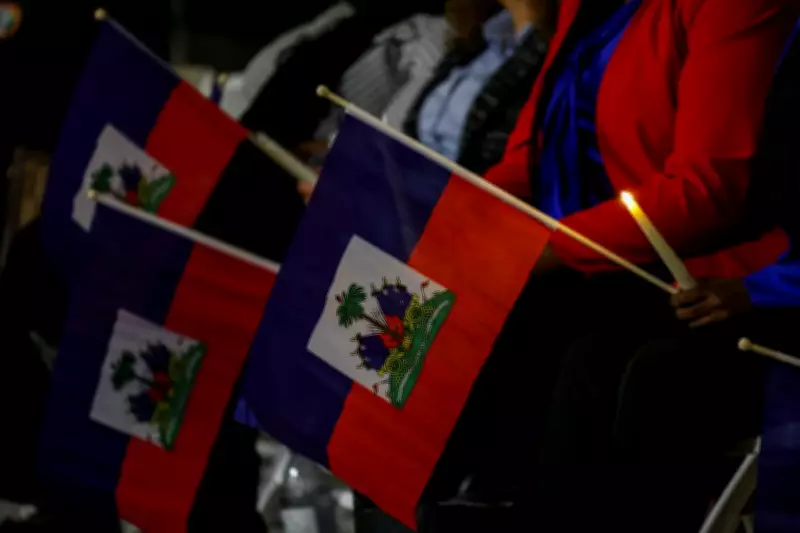
US House Approves Legislation to Shield Haitian Immigrants from Deportation
In a significant bipartisan action, the US House of Representatives passed a bill on Thursday to protect approximately 350,000 Haitians from deportation for three years. This move represents a rare rebuke of former President Donald Trump's mass deportation agenda, enabled by a small group of Republican defectors who crossed party lines.
Vote Details and Legislative Background
The legislation, sponsored by New York Democrat Laura Gillen, passed with a vote of 224-204. Eleven House Republicans joined all Democrats in supporting the bill, which aims to continue temporary protected status (TPS) for Haitians. This designation allows individuals to live and work in the United States without fear of deportation. The TPS program for Haitians was initially established by the Obama administration following the devastating 2010 earthquake in Port-au-Prince and has been extended by subsequent presidents due to ongoing security concerns in Haiti.
Trump had previously canceled TPS protections for Haitians and Syrians, but these terminations have been blocked by a federal judge. The issue is now pending before the Supreme Court, with arguments scheduled for later this month. Gillen hailed the House vote as a pivotal milestone in protecting community members from the dangers in Haiti and urged the Senate to take up the measure promptly.
Political Dynamics and Key Arguments
House Republican leaders opposed the bill but were compelled to hold a vote after 218 lawmakers signed a discharge petition circulated by Democrat Ayanna Pressley, co-chair of the House Haiti caucus. In emotional floor speeches, Pressley shared personal stories of Haitian nurses caring for her mother during a cancer battle, emphasizing the contributions of TPS holders to American society. She argued that these individuals enhance the nation rather than exploit it.
Republican supporters of the bill, such as New York's Mike Lawler and Florida's Carlos Gimenez, highlighted the humanitarian and economic implications. They warned that deporting Haitians could destabilize the US healthcare system, where many TPS holders work legally, and force people back into a homeland overrun by violent gangs. Conversely, opponents like Florida's Randy Fine criticized the TPS program as outdated, citing instances of criminal activity among some Haitians to argue for broader removals.
Broader Immigration Context and Future Steps
This vote occurs amid a polarized immigration landscape. While Republican majorities have largely supported Trump's deportation promises, polls suggest his policies are unpopular with voters ahead of the November midterms. The House action may influence the Supreme Court's consideration of TPS cancellations, as noted by Democratic representative Pramila Jayapal, who hopes the bill sends a bipartisan message on Haiti's unsafe conditions.
Looking ahead, the Senate's stance on the measure remains uncertain, and it could impact ongoing funding debates. Republicans plan to draft a three-year appropriations bill for the Department of Homeland Security, while Democrats have blocked previous funding over immigration enforcement concerns. The outcome will shape the fate of Haitian TPS holders and broader US immigration policy in the coming years.




