
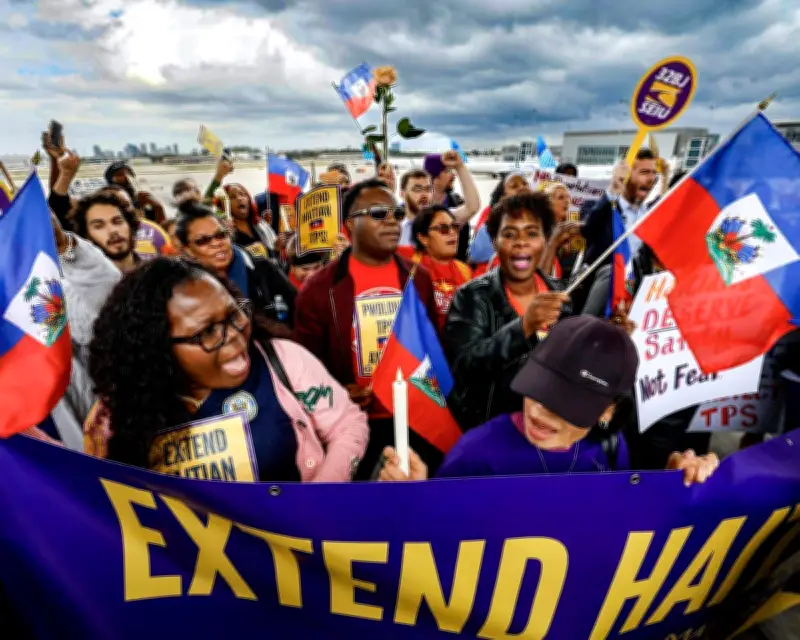
Thousands of Haitians living in the United States under Temporary Protected Status (TPS) are facing an uncertain future as Republican Representative Carlos Gimenez advocates for ending the program. The move threatens to uproot families who have built lives in the U.S. for over a decade.
Gimenez's Stance on TPS
Carlos Gimenez, a Cuban-American Republican from Florida, has been a vocal critic of TPS for Haiti, arguing that the country is no longer in crisis and that the program encourages illegal immigration. In a recent statement, Gimenez said, “Haiti has made significant progress. It’s time for TPS to end so that the rule of law is respected.” His position aligns with the Trump-era policy of limiting humanitarian protections.
TPS was originally granted to Haitians after the 2010 earthquake that devastated the country. Since then, it has been renewed multiple times due to ongoing instability, including natural disasters and political turmoil. Approximately 55,000 Haitians currently hold TPS, according to U.S. Citizenship and Immigration Services.
Impact on Haitian Communities
The potential termination of TPS would leave many Haitians without legal status, exposing them to deportation. Advocates warn that returning to Haiti would be dangerous given the country's rampant gang violence and economic collapse. “Sending Haitians back now would be a death sentence,” said Marleine Bastien, executive director of the Family Action Network Movement. “They have children who are U.S. citizens and deep roots in their communities.”
Many TPS holders have been in the U.S. for over a decade, working in essential industries like healthcare and construction. In Florida alone, Haitians contribute significantly to the economy, with an estimated $2.6 billion in spending power, according to a 2023 study by the New American Economy.
Political and Legal Battles Ahead
Gimenez's push faces opposition from Democratic lawmakers and immigrant rights groups, who argue that Haiti remains unsafe. The Biden administration has extended TPS for Haiti through February 2026, but the program’s long-term future is uncertain. Legal challenges may arise if the government attempts to terminate it, similar to previous lawsuits over TPS for other countries.
“Ending TPS for Haitians is not just cruel; it’s counterproductive,” said Senator Bob Menendez. “It would destabilize families and harm our economy.” The debate highlights the broader national divide over immigration policy, with Republicans pushing for stricter enforcement and Democrats advocating for pathways to citizenship.




