
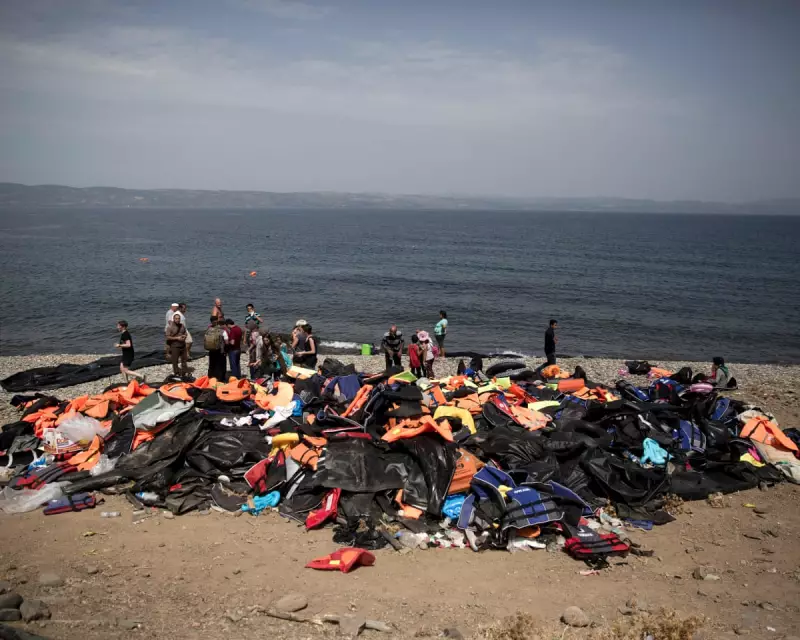
A high-stakes trial that has drawn international attention is set to commence on the Greek island of Lesbos. Twenty-four aid workers and activists face serious charges for their alleged role in assisting migrants to enter the country illegally.
The Charges and the Defendants
The defendants, who include citizens from several European nations, stand accused of a range of offences. The core allegation is that they facilitated the illegal entry of migrants into Greece, a crime that carries a potential prison sentence of up to 20 years. Some also face charges related to membership of a criminal organisation, espionage, and violations of state secrets and telecommunications privacy laws.
The group comprises volunteers and staff from non-governmental organisations, including the emergency response group ERCI. They were arrested following a police operation in 2018. Their supporters vehemently deny any criminal activity, arguing they were performing vital life-saving humanitarian work during the peak of the migration crisis in the Aegean Sea.
A Case with Broad Implications
The trial, scheduled to begin on 3 December 2025, is seen as a pivotal moment. It sits at the contentious intersection of national border security and the principles of humanitarian assistance. Prosecutors will argue the defendants crossed a line from aid into active facilitation of illegal border crossings.
Conversely, human rights groups and the defendants' legal teams frame the case as a politically motivated attack on civil society. They contend it is an attempt to criminalise solidarity and deter humanitarian efforts at Europe's borders. The outcome could set a significant precedent for how Greece and other EU nations treat volunteers operating in migrant reception zones.
Context of the Aegean Migration Crisis
The arrests occurred against the backdrop of intense migratory pressure on Greek islands like Lesbos. In 2018, the year of the arrests, thousands of people continued to arrive by sea from Turkey, despite a major EU-Turkey deal designed to stem the flow. Greek authorities, under pressure from the EU to secure external borders, have taken an increasingly hard line on illegal entry.
This trial represents one of the most severe legal actions taken against foreign aid workers in Greece. It has been repeatedly postponed, with the first hearing now finally moving ahead after seven years. The proceedings are expected to be lengthy and complex, closely watched by international observers, legal experts, and humanitarian organisations across the continent.
The case highlights the enduring tensions in European migration policy. As the trial unfolds in a Mytilene courtroom, it will scrutinise not only the actions of 24 individuals but also the very limits of compassion in an era of strictly controlled borders.




