
EU Parliament Approves Controversial Offshore Migration Centres and 'Safe Third Countries' List
The European Union has taken a decisive step towards implementing offshore processing centres for migrants and asylum seekers, following a landmark vote in the European Parliament. Centre-right and far-right Members of the European Parliament united to pass legal changes that will significantly toughen the bloc's migration policies, with the new rules expected to come into force from June.
Expanded Deportation Powers and Offshore Processing
Under the newly approved regulations, EU authorities will gain expanded powers to deport asylum seekers to countries outside the European Union. Crucially, these deportations can occur even if individuals have only transited through these nations or have no existing connection to them, provided that European governments have established formal agreements with the receiving states.
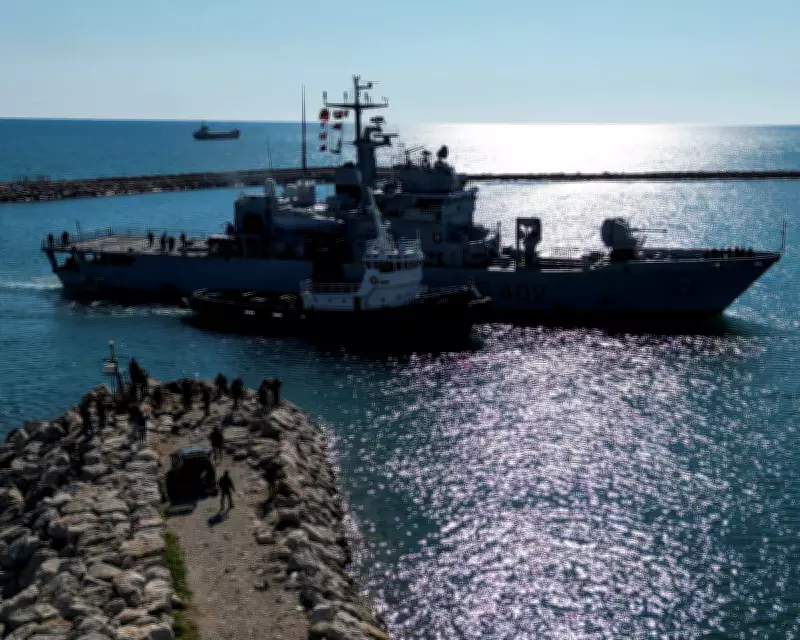
This legislative move effectively validates existing bilateral arrangements, including Italy's controversial agreement with Albania and the Dutch government's deal with Uganda regarding the deportation of individuals whose asylum applications have been rejected in the Netherlands. The concept of offshore return hubs – processing centres for people denied asylum within the EU – received endorsement from EU leaders in 2024 as part of their search for "innovative solutions" to migration challenges.
Controversial 'Safe Third Countries' List Established
In a separate but related vote, MEPs approved the creation of an official EU list of "safe third countries." This designation means that nationals from these countries will face accelerated asylum procedures and potentially encounter greater difficulties in securing refugee status within the European Union.
The comprehensive list includes all current EU candidate countries, such as Georgia and Turkey – nations where the EU has previously expressed concerns about government crackdowns on political opposition in 2025. Additional countries designated as safe include Kosovo, Bangladesh, Colombia, Egypt, India, Morocco, and Tunisia.
Human Rights Concerns and Political Reactions
Human rights organisations have raised significant alarms about several countries included on the safe list, particularly Tunisia. Rights groups point to President Kaïs Saïed's administration, which has implemented crackdowns on civil society and seen opposition figures sentenced to lengthy prison terms of up to sixty-six years by politically influenced courts. Furthermore, Tunisian security forces have been accused of forcibly returning migrants to remote desert regions, where some have tragically perished from dehydration.
A coalition of thirty-nine non-governmental organisations issued a strongly worded statement ahead of the parliamentary vote, arguing that designating Tunisia as a safe country of origin effectively deprives "Tunisian nationals of their right to an individual, fair, and effective assessment of their asylum claims." The coalition further warned that this designation could provide "the Tunisian authorities a renewed carte blanche to continue their systematic violations against migrants, civil society and the wider civic space."
Political Dynamics and Judicial Challenges
Alessandro Ciriani, an Italian MEP from Giorgia Meloni's Brothers of Italy party who spearheaded the European Parliament's work on the safe countries list, celebrated the voting outcome. "This is the beginning of a new phase: migration is no longer endured but governed," Ciriani declared. He emphasised that for too long, "political decisions in migration policy have been systematically called into question by divergent judicial interpretations, paralysing state action and fuelling administrative chaos."
This political stance has previously clashed with judicial authorities, as demonstrated in 2024 when an Italian court ruled against the government's arrangements with Albania. The court ordered the transfer of seven men from the Albanian facility to Italy, rejecting Italy's argument that the individuals could be returned to their "safe" home countries of Egypt and Bangladesh due to perceived deficiencies in transparency regarding safety assessments.
Broader Migration Context and Humanitarian Impact
The European Union has been progressively tightening refugee regulations since the 2015 migration crisis, during which more than 1.3 million people sought asylum. This trend has accelerated alongside electoral gains by nationalist and far-right political parties across the continent.
The humanitarian dimension remains stark, with the United Nations refugee agency reporting that 155,100 people risked their lives crossing the Mediterranean in unseaworthy vessels last year, resulting in 1,953 deaths or disappearances. This deadly pattern has continued into early 2026, with approximately 380 people feared drowned last month after a boat from Tunisia encountered a cyclone.
Divergent Perspectives on Policy Changes
Supporters of the new measures argue they will undermine people smuggling networks. Assita Kanko, a Flemish nationalist politician, asserted that "people who genuinely need protection must receive it, but not necessarily in the European Union. Effective protection can also be provided in a safe third country, while individual assessment remains fully guaranteed."
Conversely, humanitarian organisations have expressed profound disappointment. The International Rescue Committee's senior advocacy adviser, Meron Ameha Knikman, warned that "the new 'safe third country' rules are likely to force people to countries they may never have set foot in – places where they have no community, do not speak the language and face a very real risk of abuse and exploitation."
Parliamentary Realignment and Voting Patterns
The two migration laws secured passage with robust support from the centre-right European People's Party alongside three nationalist and far-right political groups. These votes represent the latest manifestation of a shifting dynamic within the European Parliament following the 2024 elections, which saw a record number of nationalist and far-right MEPs elected to positions right of the traditional Christian Democrats.
While critics have accused the EPP of breaching established political boundaries, voting records reveal a more nuanced picture. The centre-left bloc experienced significant internal divisions, with substantial minorities of socialist and centrist MEPs voting in favour of the new legislation, while many centrist representatives chose to abstain from the crucial votes.




