
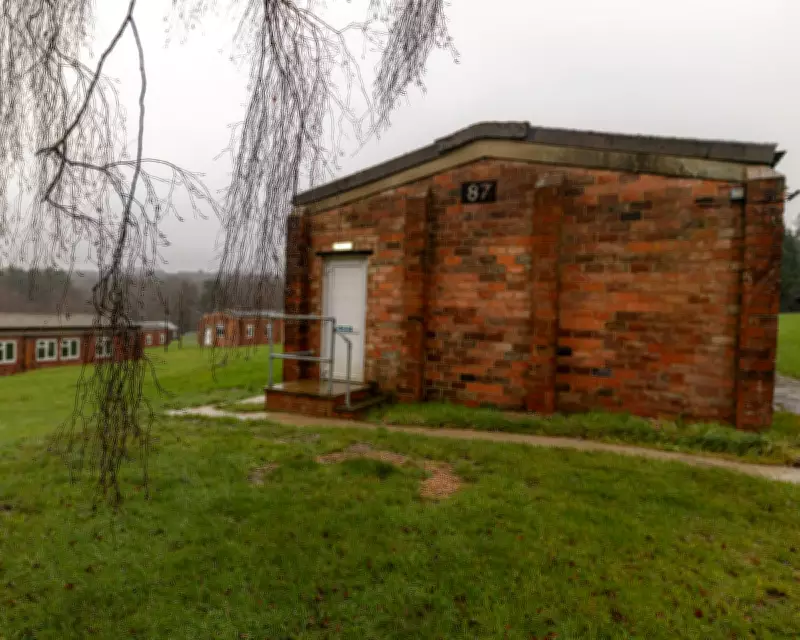
The Home Office has announced a significant shift in asylum accommodation policy, moving hundreds of asylum seekers from government-funded hotels to military barracks across the UK. This decision follows the closure of eleven asylum hotels in England, Scotland, and Northern Ireland, with additional closures expected in the coming weeks.
Accommodation Changes and Political Context
Approximately 350 asylum claimants have been transferred to the Crowborough military training camp in East Sussex, which the Home Office describes as "more basic accommodation." This move aligns with Prime Minister Keir Starmer's pledge to eliminate all hotel housing for asylum seekers before the next general election, though it comes amid concerns about Labour's performance in upcoming local elections.
Hotel Closures and Financial Implications
The number of hotels still housing asylum seekers has dropped to 185 from a peak of 400. According to the Home Office, the recent closures will save taxpayers an estimated £65 million annually. Immigration Minister Alex Norris stated, "Hotels were meant to be a short-term stopgap under the previous government, but they spiralled out of control – costing taxpayers billions and dumping the consequences on local communities."
Notable hotel closures include the Banbury House hotel in Oxfordshire, the Marine Court hotel in Bangor, County Down, and the Citrus hotel in Cheltenham. Other affected properties span locations from Heathrow to Aberdeen, reflecting a nationwide effort to reduce reliance on hotel accommodations.
Criticism from Refugee Organizations
The Refugee Council has strongly criticized the shift to military sites, arguing they are unsuitable for long-term housing. Imran Hussain, director of external affairs at the Refugee Council, emphasized, "The government's own spending watchdog previously found that they are more expensive than hotels, and they isolate people from local communities and essential services."
Alternative Proposals and Political Reactions
Hussain suggested that granting temporary permission to stay for asylum seekers from countries like Sudan and Iran, subject to security checks, could empty hotels within months. Meanwhile, Shadow Home Secretary Chris Philp noted that the number of asylum seekers in hotels has increased since the election, accusing the government of hiding figures by moving people into residential apartments.
Broader Asylum Accommodation Landscape
Currently, around 30,000 asylum seekers reside in approximately 200 hotels, while over 70,000 live in other accommodations such as shared housing or military barracks. Asylum seekers are typically prohibited from working during their first year in the UK while their claims are processed, leaving them dependent on government-funded housing.
Social Tensions and Protests
The issue has sparked social unrest, with anti-immigrant protests occurring in areas like Crowborough and Rotherham. In some instances, protests have turned violent, including an attempt to set fire to a hotel housing asylum seekers in Rotherham in August 2024. A parliamentary investigation has condemned the asylum system as "failed, chaotic and expensive," highlighting billions in squandered funds.
Reform UK continues to campaign for the closure of all asylum hotels, reflecting ongoing political and public debate over immigration and accommodation policies in the UK.




