
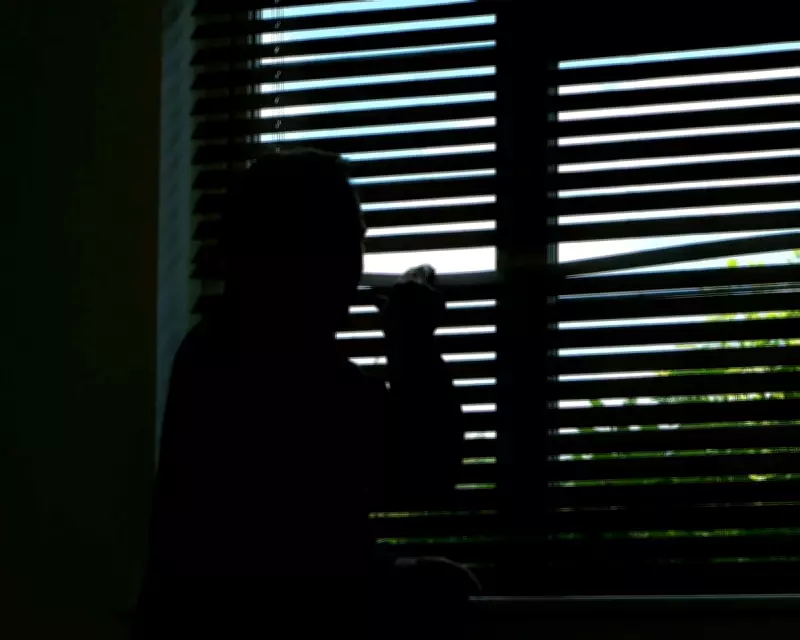
An asylum seeker who was sent from the United Kingdom back to France under the controversial "one in, one out" scheme has covertly returned to Britain and is now living in hiding, according to an exclusive interview. The man, who arrived back in the UK concealed in a lorry, described his situation as "desperate" and revealed that he is aware of at least 18 other individuals who have similarly returned under the radar.
Life in Hiding
The asylum seeker, whose identity remains undisclosed, stated that he rarely leaves the room where a friend has offered him shelter. He expressed fear of being discovered by smugglers, police, and Home Office officials. "After I was sent back to France by the Home Office, the smugglers caught me and wanted to force me to work with them. I refused, and they beat me so badly that my face is still full of bruises and injuries," he recounted. "I managed to escape and felt my only option was to come back to the UK, which is safer for me."
The man noted that the "Jungle" refugee camp in northern France, where smugglers operate, has adapted its methods due to the one in, one out scheme. Instead of small boats, smugglers now offer lorry journeys to the UK, which are more expensive. "The price for a small boat Channel crossing is €1,000 to 2,000, while a lorry to the UK costs €4,000 to 5,000," he explained. He believes many asylum seekers have returned using this method but declined to provide exact figures beyond the 18 he knows personally.
Scheme Impact and Statistics
The one in, one out scheme, agreed between the UK and France, aims to deter small boat crossings and disrupt people-smuggling gangs. However, thousands of asylum seekers have continued to cross the Channel, and smugglers have shifted operations, launching more vessels from Belgium and offering lorry journeys to bypass French beach patrols. As of 28 April, 605 people had been returned to France under the scheme, while 581 had come to the UK. The number of Channel crossings this year has dropped by about a third compared to the same period in 2024, partly due to windy weather making crossings dangerous.
The returnee emphasized that he is not working illegally and rarely leaves his temporary shelter in a city outside London. "I'm scared to leave this room. I'm running from smugglers, police, and the Home Office. I don't have a life anymore," he said. He considered surrendering to authorities but fears being sent back to France, where smugglers might kill him. "I want to live in peace, work legally, and be safe. But people like me living underground can be forced into crime to survive," he added.
Another Case Highlights Flaws
In a related case, an asylum seeker who smuggled himself out of the UK in January after over a decade in the country, fearing detention and deportation, recently received an email from the Home Office indicating no awareness of his departure. Now living in Italy, the man said, "It is crazy to receive this from the Home Office. They do not realize I am no longer in the UK. I would love to return legally, but there is no way at the moment."
Seema Syeda from the Joint Council for the Welfare of Immigrants criticized the government's approach: "The border regime is pushing people into unsafe routes and criminalizing them. The moral answer is to allow people seeking safety to use the same routes as everyone else: train, ferry, plane. Public money should improve services, not fund an inhuman regime."
A Home Office spokesperson defended the scheme, stating, "Anyone looking to return after being removed under the UK-France agreement is wasting their time and money. They will be removed again. Enforcement, asylum decisions, and removals are up, while backlogs and hotel use are down. We have deported over 600 illegal migrants from British soil under this agreement."




