
Antisemitism Reaches Crisis Levels in the United Kingdom
Personal experiences of antisemitism have been a constant throughout my life, from childhood jokes about Jewish stereotypes to university confrontations and professional harassment. As Chair of the Jewish Society during my university years, I was screamed at and labeled a 'Zionist pig.' Later, as a young researcher, I had to screen antisemitic messages sent to my boss, including one from an employee at a major transport company who failed to use their personal account. While antisemitism has always been present, the pressure intensifies daily.
Alarming Statistics Reveal Growing Threat
The Community Security Trust (CST), a charity monitoring incidents and protecting British Jews, documented the second-highest total of anti-Jewish hate incidents ever recorded in the UK during 2025. This data points to a deepening culture of antisemitism across the nation. Before the Hamas attack on Israel in October 2023, the CST rarely recorded more than 200 incidents monthly. Last year, that average surged to 308 every four weeks.
According to Home Office statistics from 2024, Jewish individuals are twelve times more likely than other groups to be victims of religious hate crimes. These staggering numbers are concerning on their own, but the ripple effects within the Jewish community—comprising just 0.5% of the UK population—are immense. Fear, anxiety, and consternation spread rapidly, with many questioning whether Jews have a future in Britain.
Violence Escalates with Deadly Consequences
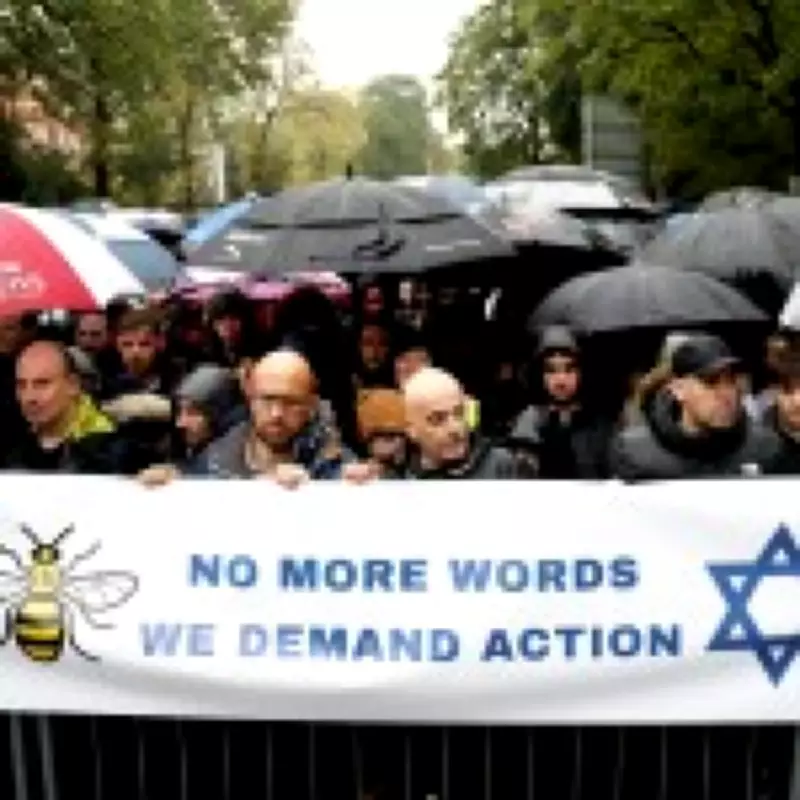
The fatal antisemitic attack at Heaton Park Synagogue in Manchester over four months ago, which claimed the lives of worshippers Melvin Cravitz and Adrian Daulby, shocked but did not surprise British Jews. For two years prior, many witnessed what they perceived as the mainstreaming of antisemitic discourse in schools, universities, workplaces, the NHS, and on social media. On the day of and following the Manchester attack, the highest daily totals of antisemitic incidents in 2025 were recorded.
In 2025, the CST recorded four incidents categorized as 'extreme violence'—involving grievous bodily harm or threats to life—more than the previous three years combined. This violence stems from the normalization of hateful language and indifference to rising antisemitism. Whether through antisemitic placards at protests, the ostracization of Jewish NHS staff, or politicians deploying Holocaust inversion and antisemitic tropes, each act contributes to a climate of fear.
Institutional Accountability and Policy Gaps
To ensure Britain remains a place where Jewish life can thrive, institutions must be held accountable, and democratic values upheld. The government's response to the Manchester attack included increased funding for community security and a review of public order legislation, but these measures are insufficient. A robust strategy and consistent policy on extremism are urgently needed.
Stronger regulation of online harms is critical, including enhancements to the Online Safety Act and holding tech companies accountable for antisemitic content circulating on their platforms. Platitudes from government, policymakers, colleagues, or friends are no longer acceptable. In a climate where racism becomes permissible and hateful rhetoric drowns out thoughtful dialogue, extremism flourishes—and it kills.
A Call to Action Before More Tragedy Strikes
We cannot merely offer condolences after Jewish people are grieving; we must stop this hatred before it leads to murderous outcomes. The CST's 2025 report underscores a sobering reality: Britain is far from ensuring Jewish safety, and even further from being a thriving liberal democracy safe for all citizens. Addressing the root causes of antisemitism—what drives someone to pick up a knife and target Jews—requires decisive action now.




