
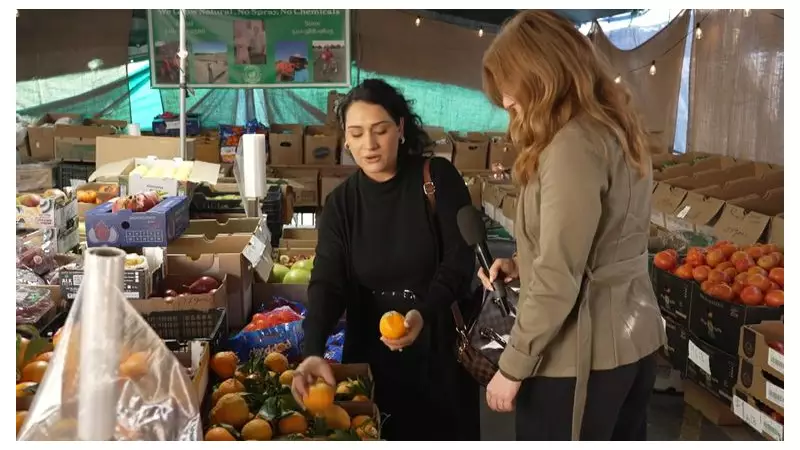
In the San Francisco Bay Area suburb of Fremont, a community known as 'Little Kabul' is living under a cloud of anxiety. This sanctuary for thousands who fled Afghanistan now finds itself in the crosshairs of a renewed national debate on immigration and security.
A Community Under Scrutiny
The shift in atmosphere follows a tragic incident near the White House on Thursday 4 December 2025. Two National Guard members, Andrew Wolfe and Sarah Beckstrom, were shot. Ms Beckstrom died from her injuries. The suspect is an Afghan national, Rahmanullah Lakanwal, who was granted asylum in the US after assisting the CIA during the war in Afghanistan.
In response, President Donald Trump announced an immediate pause on asylum applications from Afghanistan. His administration also pledged to review the status of those who arrived after the US withdrawal from the country in 2021. For many in Fremont, this feels like a form of collective punishment.
"We Cannot Blame All of Them"
At Jamal Farm, a fruit and vegetable market, Nazi Hamini, 28, articulated the community's frustration. "Afghans say that because of one person we cannot blame all of them," she told Sky News correspondent Martha Kelner. Using a powerful analogy, she picked a rotten orange from a box, noting the surrounding fruit remained untouched. "There are so many good fruits. Only one is really bad... I think people are like this, too."
Hamini, who arrived in the US as a teenager speaking little English, has built a life through hard work. "I went to college. Now I'm married, I have a daughter, and I have a beautiful life," she said, embodying the immigrant success story now under threat.
Mohamed Qasmi, owner of Jamal Farm and a US resident for nearly 25 years, feels a renewed pressure to justify his presence. Showing hands blackened with soil from his work, he stated simply, "We work hard... We just want to work hard."
Fear and the Freeze on Futures
The policy repercussions are creating tangible fear. The Trump administration has indicated that immigration raids are expected to intensify in Afghan communities, targeting individuals with existing deportation orders. This has fostered a palpable sense of surveillance in Fremont.
Sayed Khalid, a green card holder who has been in the US for six years, described families too afraid to watch the news. "Their kids going to school, they also think that they will be sent back," he said. He highlighted the cruel irony for those who fled the Taliban: "That feels really harsh because of the situation in Afghanistan... the permission for girls to go to school here. In Afghanistan, girls cannot go to school past Year 6."
Khalid's own path to citizenship is now on hold, adding uncertainty to his future. While he supports vetting processes for national security, he draws a clear line: "I support vetting people who are here so that America stays safe, but also not punishing everyone for one person's mistakes."
The community of 'Little Kabul', once a symbol of safe haven, now waits nervously. Its residents, who sought refuge and contributed to their new home, find themselves once again having to prove their loyalty and worth, their collective future hinging on the actions of a single individual.




