
UN Agencies Report 250 Missing After Rohingya Refugee Boat Capsizes in Andaman Sea
Approximately 250 individuals are missing following the capsizing of a boat carrying Rohingya refugees and Bangladeshi nationals in the Andaman Sea, according to statements from the United Nations' refugee and migration agencies. The incident underscores the perilous journeys undertaken by thousands fleeing persecution and conflict in Myanmar.
Details of the Tragic Incident
The trawler, which departed from Teknaf in southern Bangladesh and was en route to Malaysia, reportedly sank due to heavy winds, rough seas, and severe overcrowding. Preliminary information indicates the vessel was carrying about 280 people when it left Bangladesh on April 4. The UN High Commissioner for Refugees (UNHCR) confirmed these details in a recent statement, emphasizing the dire circumstances.
On April 9, the Bangladesh Coast Guard (BCG) managed to rescue nine survivors from the sea, including one woman, using a ship that was on its way to Indonesia. Lieutenant Commander Sabbir Alam Sujan, a BCG spokesperson, reported that the Bangladeshi flag carrier MT Meghna Pride spotted several people floating with drums and logs near the Andaman Islands and pulled them from deep waters.
Background of the Rohingya Crisis
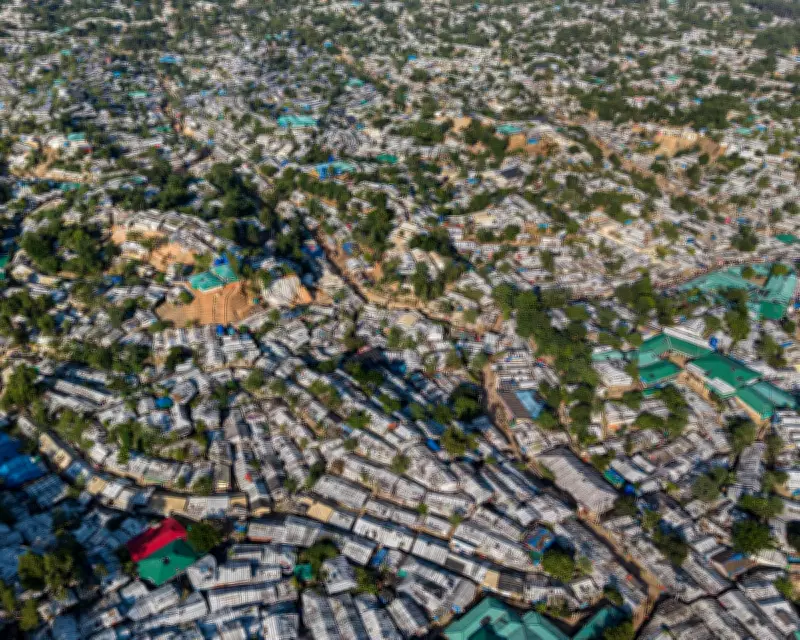
The people on board were likely from the massive refugee camps in Cox's Bazar, Bangladesh, where over a million Rohingya live in squalid conditions after fleeing Myanmar's Rakhine state. Rakhine has been a battleground between the military and the Arakan Army, an ethnic minority rebel group, exacerbating the humanitarian crisis.
In 2017, a military offensive in Myanmar forced at least 730,000 Rohingya into Bangladesh, with reports of killings, mass rape, and arson. A UN fact-finding mission described the actions as "genocidal acts," though Myanmar, a Buddhist-majority nation, has denied these allegations and questioned the mission's objectivity.
Survivor Accounts and International Response
Rafiqul Islam, a 40-year-old survivor, recounted being lured onto the boat by traffickers promising a job in Malaysia. He described being kept in a holding area where some died, and suffering burns from spilled oil. The vessel capsized after four days of travel, and survivors floated for nearly 36 hours before rescue.
The UNHCR and the International Organization for Migration have called this tragedy a stark reminder of the human cost of prolonged displacement and the lack of durable solutions for the Rohingya. They urged the international community to increase funding for life-saving assistance in Bangladesh and support for host communities.
For years, Rohingya people have risked their lives on unsafe wooden boats to reach countries like Malaysia, Indonesia, and Thailand, escaping persecution in Myanmar or overcrowded camps in Bangladesh. This latest incident highlights the ongoing dangers and the urgent need for global action to address the root causes of this crisis.




