
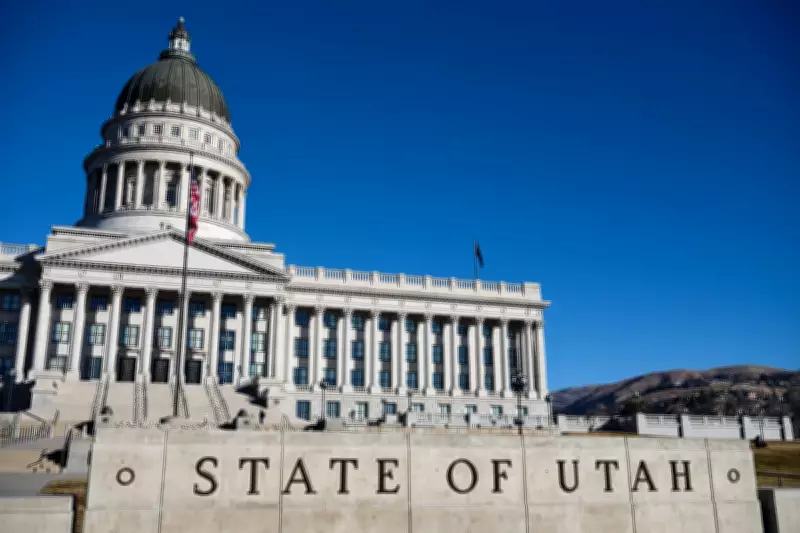
Utah House Approves New Voting Map Amid Political Controversy
The Utah House of Representatives has officially passed a new voting district map, a move that has ignited significant debate and criticism from Democratic lawmakers. The approval comes as part of the state's redistricting process, which occurs every decade following the U.S. Census to adjust electoral boundaries based on population changes.
Democrats Allege Gerrymandering in Redistricting Plan
Democratic representatives have voiced strong opposition to the newly approved map, accusing the Republican-controlled legislature of engaging in gerrymandering. They argue that the map is designed to dilute Democratic voting power by splitting urban areas, where Democrats tend to have stronger support, across multiple districts. This, they claim, unfairly advantages Republican candidates in future elections.
In response, Republican leaders defend the map as a fair representation of Utah's demographic shifts and legal requirements. They emphasize that the redistricting process adhered to state guidelines, including considerations for compactness and community integrity. However, critics point to instances where district lines appear to carve out specific neighborhoods to benefit incumbents.
Impact on Future Elections and Voter Representation
The new voting map is expected to have profound implications for Utah's political landscape. By potentially solidifying Republican majorities in the state legislature, it could influence policy decisions on issues such as education, healthcare, and environmental regulations. Democrats warn that this could lead to reduced representation for minority and urban voters, undermining democratic principles.
Legal challenges are anticipated, with advocacy groups considering lawsuits to contest the map's constitutionality. Similar disputes have arisen in other states, highlighting the national significance of redistricting battles. In Utah, the focus remains on ensuring that electoral boundaries reflect fair and equal representation for all citizens.
As the map moves to the Utah Senate for further review, political tensions are likely to escalate. Public hearings and debates will continue to shape the discourse, with both parties mobilizing supporters to advocate for their positions. The outcome of this redistricting effort will set the tone for Utah's electoral dynamics in the coming years.




