
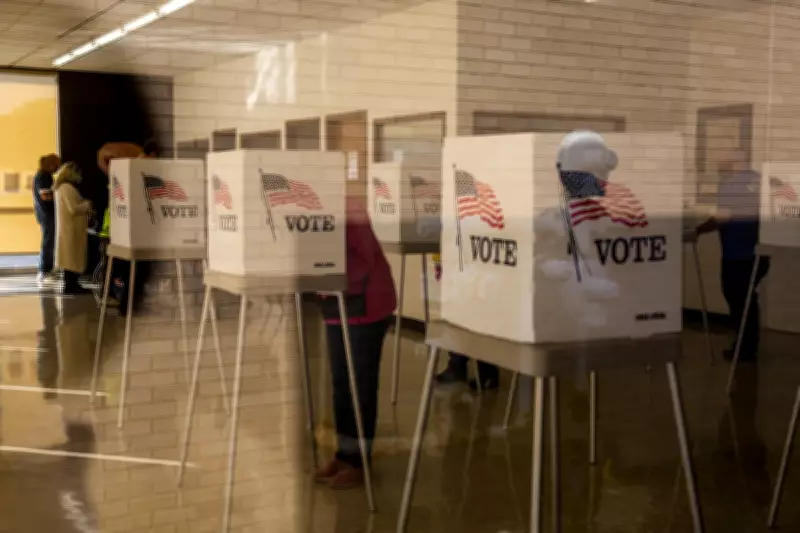
Trump's Photo ID Mandate for Midterm Elections Sparks National Debate
Former President Donald Trump has ignited a fierce national debate by proposing a mandatory photo identification requirement for all voters in the upcoming midterm elections. This controversial move, announced in a recent public statement, aims to address what Trump describes as "critical vulnerabilities" in the electoral system, but it has drawn immediate criticism from civil rights groups and political opponents who argue it could suppress voter turnout, particularly among minority and low-income communities.
Arguments for Enhanced Election Security
Proponents of the photo ID mandate, including Trump and his supporters, assert that it is a necessary measure to prevent voter fraud and ensure the integrity of elections. They point to isolated incidents of alleged irregularities in past elections as justification for stricter safeguards. Advocates argue that requiring government-issued photo identification, such as a driver's license or passport, would standardize voting procedures across states and reduce the risk of impersonation or duplicate voting. This perspective frames the mandate as a common-sense reform to bolster public confidence in democratic processes, especially in the wake of contentious election cycles.
Concerns Over Voter Suppression and Accessibility
Opponents of the proposal, including voting rights organizations and Democratic leaders, warn that it could disproportionately disenfranchise vulnerable populations. Studies indicate that millions of Americans, particularly elderly, minority, and low-income individuals, lack easy access to photo ID due to factors like cost, transportation barriers, or bureaucratic hurdles. Critics argue that the mandate could effectively create new obstacles to voting, undermining the fundamental right to participate in democracy. They contend that instead of enhancing security, such measures might exacerbate existing inequalities and fuel partisan disputes over election outcomes.
Potential Impact on Midterm Elections and Beyond
The debate over Trump's photo ID proposal is likely to intensify as the midterm elections approach, with implications for voter turnout and political dynamics. If implemented, the mandate could reshape electoral strategies, forcing campaigns to focus on voter education and ID acquisition efforts. Legal challenges are anticipated, as similar measures in the past have faced scrutiny in courts over their constitutionality and compliance with voting rights laws. Beyond the midterms, this issue may influence broader discussions on election reform, including proposals for automatic voter registration or expanded early voting options, highlighting the ongoing tension between security and accessibility in American democracy.




