
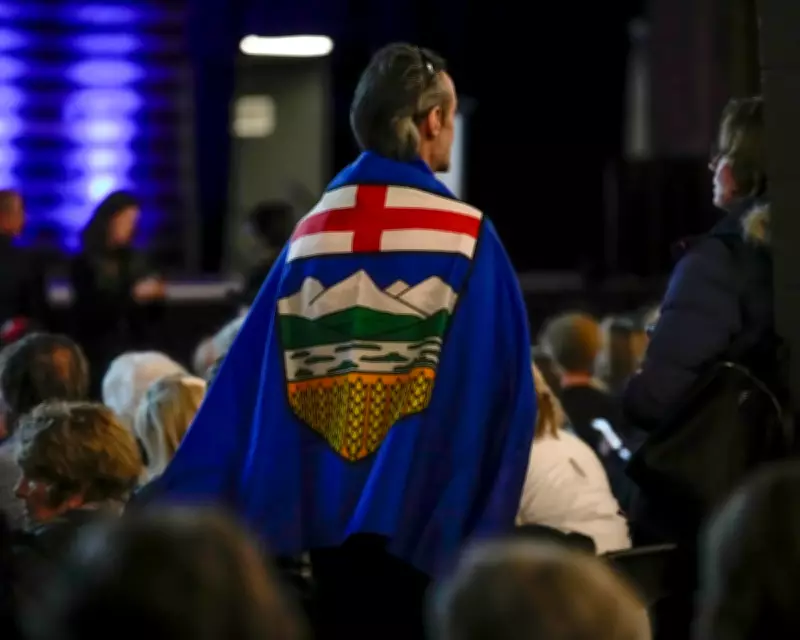
A Canadian judge has quashed a petition for an independence referendum in Alberta after finding that First Nations were not consulted, dealing a significant blow to separatist aspirations in the western province. Justice Shaina Leonard of the Court of King's Bench ruled on Wednesday to halt the effort by a separatist group to gather signatures for a referendum on secession from Canada.
Justice Leonard stated that the Alberta provincial government had an obligation to consult with First Nations before allowing organizers to collect signatures. Two First Nations groups had argued that any referendum would violate their treaties with the Crown, which predate the creation of Alberta. The judge wrote in her decision: "As a matter of logic and common sense, there can be no doubt that Alberta’s secession from Canada will have an impact on Treaties 7 and 8."
The ruling also examined legislation passed by the Alberta government that removed the requirement for referendum questions to be constitutional and the chief electoral officer's right to refer proposals to the courts for review. Justice Leonard noted that the separatists should not have been allowed to reapply because the chief electoral officer had denied their initial proposal.
Two weeks prior, separatists had triumphantly delivered boxes containing more than 300,000 signatures in favor of the proposed referendum. However, days later, the effort was rocked by revelations that a separatist-linked group had illegally accessed private elections data, prompting investigations from both elections officials and police.
The leader of the Athabasca Chipewyan First Nation, which joined others in challenging the legitimacy of the separatist petition, stated that Wednesday's ruling "reinforces the importance of treaty rights, meaningful consultation, and the recognition of the serious impacts decisions like these" would have on First Nations communities. Chief Allan Adam added: "This decision should close the chapter on the suggestion of an independence referendum. The court has spoken – and so have the First Nations."
Alberta's Premier, Danielle Smith, who maintains that her government is pro-Canada but has taken steps to aid separatists, vowed to challenge the ruling. "This is a decision by one judge," Smith said. "We think that this decision is incorrect in law and anti-democratic, and we will be appealing it as a result." Earlier in the day, Smith had described the citizen-led petitions as an "important" democratic tool, stating: "Whether the government likes the citizen initiative petition questions that are put forward or whether we don’t like them, we believe the process should allow all voices of Albertans to be heard."
Separatist leader Mitch Sylvestre, who spearheaded the signature collection, said he would lobby Smith to use government powers to put the question on the October referendum. While the government could add a secession question, bypassing the petition process, such a move would likely face the same challenge from First Nations.
Shortly after the judge's decision, Jeffery Rath, a lawyer representing the separatists, claimed the ruling contained "numerous errors in law throughout" and "breaches of the rules of natural justice." Both Rath and the provincial government argued that there was no duty to consult with First Nations. Rath explained: "The law requires consultation in the context of amendments to the Canadian constitution that involves the devolution of federal power to the provinces that affects First Nations. From our perspective no rules were broken."




