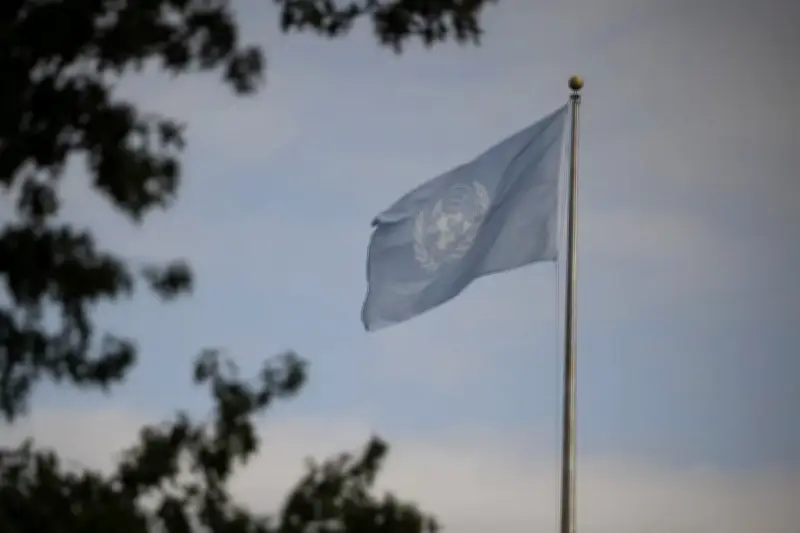
The Trump administration has initiated the transfer of $725 million to the United Nations, according to a congressional notification reviewed by Reuters. This payment, detailed in a 4 August State Department letter to Congress that had not been previously reported, is expected to be completed before Donald Trump's anticipated address to the UN General Assembly in New York next month.
The move comes as the UN faces what Secretary-General António Guterres has described as an "imminent financial collapse" due to unpaid contributions from member states. The $725 million represents less than 20% of the more than $4 billion that the UN said in May it was owed by the United States, although Washington has contested that figure, stating the total is significantly lower and that some payments have already been made.
Background and Implications of the Payment
The Trump administration has consistently slashed funding to numerous UN agencies and criticized the global body for not fulfilling its potential. There was no immediate response from Washington DC regarding the reasons for this payment, which comes amidst a broader pattern of reduced US financial engagement with the UN.
Eugene Chen, a former UN official, told Reuters that the transfer would help cover UN salaries for a period but might not be sufficient to cover all expenses. "It keeps the ship afloat a little longer," he said. Chen also warned that if the US does not make further payments, it could lose its voting rights in January, citing Article 19 of the UN Charter, which stipulates that a member state loses its General Assembly vote if its arrears exceed two years of annual fees, though grace periods are possible.
Expert Analysis on UN Finances
Ronny Patz, an expert in UN finance at the German thinktank IDOS (German Institute of Development and Sustainability), said a significant transfer now could avert the need for immediate spending cuts. "If they pay a big chunk, the UN still runs on zero reserves but it gets through the year," Patz explained. "If they don’t pay, the UN might really be in trouble for the last two or three months of the year in terms of paying salaries and keeping the doors open."
The United States is the largest contributor to the UN budget, but under the Trump administration, it has refused to make mandatory payments to regular and peacekeeping budgets and has reduced voluntary funding to other functions. Washington has also withdrawn from dozens of UN and other international agencies.
Potential Consequences for US Voting Rights
The payment, while substantial, may not fully resolve the UN's financial woes. The organization has already implemented significant budget cuts in response to the funding shortfall. The transfer could help stabilize operations in the short term, but further US payments will be crucial to avoid more severe consequences, including the potential loss of US voting rights in the General Assembly.
As the UN prepares for the upcoming General Assembly session, the timing of this payment suggests a strategic move by the administration, though the full impact on the UN's financial health and the US's standing within the organization remains to be seen.