The United States has paused coordinated attacks by former President Donald Trump and Israeli Prime Minister Benjamin Netanyahu on ongoing Iran nuclear negotiations, according to sources familiar with the matter. The move signals a potential shift in Washington's approach to the talks, which have been complicated by heightened tensions in the Strait of Hormuz.
Background of the Pause
The decision to halt the joint verbal assaults comes after weeks of escalating rhetoric from Trump and Netanyahu, who have both criticized the Biden administration's efforts to revive the 2015 nuclear deal. The pause was communicated through diplomatic channels, with US officials emphasizing the need for a unified front during sensitive negotiations.
According to a senior State Department official, the pause is intended to reduce friction with Tehran and create space for dialogue. “We are asking allies to refrain from public statements that could undermine the talks,” the official said, speaking on condition of anonymity.
Impact on Iran Talks
The shift has already been welcomed by Iranian negotiators, who had cited the attacks as a barrier to progress. A spokesperson for Iran's mission to the UN stated, “Any reduction in hostile rhetoric is a positive step, but actions must follow words.”
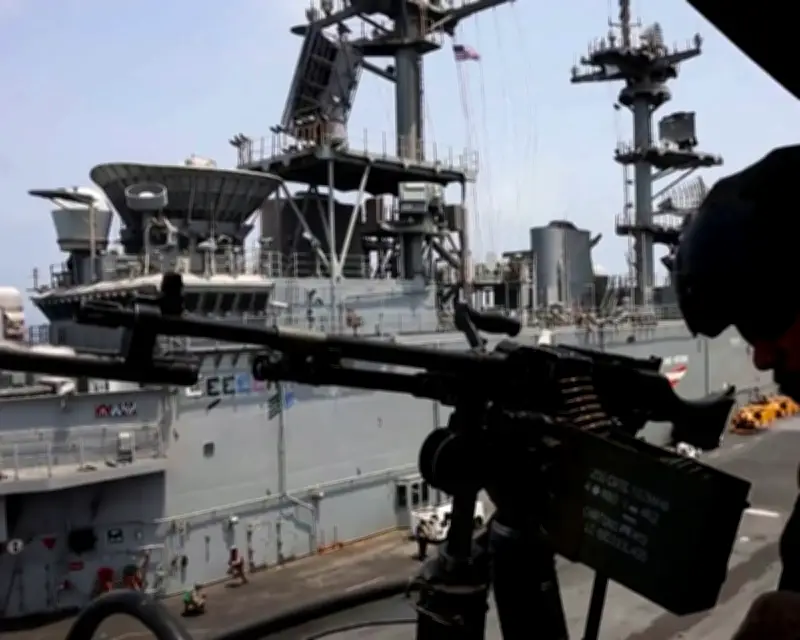
Analysts note that the pause could help de-escalate tensions in the Strait of Hormuz, where recent incidents involving Iranian patrol boats and US Navy vessels have raised fears of a broader conflict. “This is a calculated move to test Iran's willingness to compromise,” said Dr. Sarah Johnson, a Middle East expert at the Council on Foreign Relations.
Reactions and Next Steps
The pause has drawn mixed reactions from US allies. Israel has expressed concern, with a senior Israeli official warning that “diplomacy without pressure is a recipe for a bad deal.” Meanwhile, European powers have welcomed the move, urging all parties to engage constructively.
The Biden administration has not confirmed the pause publicly but has signaled a willingness to explore new avenues for negotiation. The next round of talks is scheduled for late August in Vienna.