Indirect Negotiations Between US and Iran Seek Ceasefire Extension
The United States and Iran have been conducting indirect talks aimed at extending a two-week ceasefire beyond its scheduled expiration on April 22. This diplomatic effort comes as Pakistan's army chief, Field Marshal Asim Munir, arrived in Tehran to continue mediation between the two nations.
White House Expresses Optimism Despite Formal Denials
White House Press Secretary Karoline Leavitt clarified on Wednesday that the US had not "formally" requested a ceasefire extension but confirmed Washington's active engagement in negotiations. "We feel good about the prospects of a deal," Leavitt stated, while emphasizing that "nothing is official until you hear it from us here at the White House."
A second round of negotiations would "very likely" be held in Islamabad, according to Leavitt, who made these remarks just days after previous peace talks failed to produce an agreement.
Pakistan's Intensive Diplomatic Efforts
Pakistani officials have launched a new round of shuttle diplomacy to negotiate an end to the conflict. Field Marshal Asim Munir led a high-powered delegation to Tehran on Wednesday that included Interior Minister Mohsin Naqvi, carrying messages from Washington while working to arrange additional US-Iranian ceasefire negotiations.
Simultaneously, Pakistani Prime Minister Shehbaz Sharif embarked on a four-day tour to Saudi Arabia, Qatar, and Turkey to coordinate support from regional powers and bolster peace efforts.
Regional Tensions and Preconditions
Iranian Foreign Ministry spokesperson Esmail Baghaei confirmed that "the views of both sides are likely to be discussed in detail" during the diplomatic exchanges. Sources in Tehran revealed that Iran has demanded an end to Israeli attacks on Lebanon as a precondition for further negotiations with the United States.
Israeli Prime Minister Benjamin Netanyahu indicated in a Wednesday evening video statement that he had not committed to a ceasefire, stating that the IDF was continuing to "strike Hezbollah" in its stronghold in Bint Jbeil, Lebanon. He further announced instructions to broaden a "security zone" through continued operations in Lebanon.
Military Developments and Economic Pressure
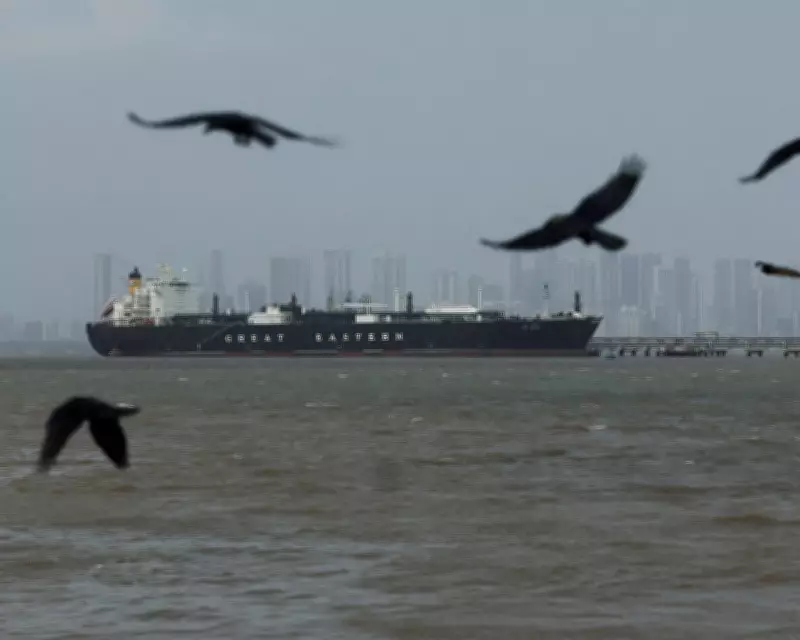
The US military announced that a naval blockade of Iranian ports imposed after the Islamabad talks had been "fully implemented," with US warships turning back nine ships attempting to cross the Strait of Hormuz on Tuesday. Among these was the Chinese-owned tanker Rich Starry, which has been placed under US sanctions.
Maj Gen Ali Abdollahi, leader of Iran's joint military command, warned that Iran could halt trade throughout the Gulf region if the US did not lift its blockade on Iranian ports. "Iran will act with strength to defend its national sovereignty and its interests," Abdollahi declared.
Financial and Strategic Considerations
US Treasury Secretary Scott Bessent stated that the United States was prepared to escalate financial pressure on Iran by preparing for the "financial equivalent" of a bombing campaign. The administration has warned companies and countries about potential secondary sanctions related to Iranian oil purchases and banking activities.
Meanwhile, the Financial Times reported that Iran's Revolutionary Guard aerospace force had acquired a Chinese spy satellite in 2024 and had used it to target US bases in the region during the five-week conflict.
Political Statements and Future Prospects
Former President Donald Trump predicted a swift end to the war, telling an ABC News correspondent that "you're going to be watching an amazing two days ahead." Trump suggested the conflict could conclude before the ceasefire expires next Wednesday, either through US withdrawal after inflicting significant damage or via a negotiated deal with Tehran.
"It could end either way, but I think a deal is preferable because then they can rebuild," Trump commented. He also told Fox News that the war could be over "very soon," potentially leading to a sharp decline in oil prices, which remained around $95 per barrel on Wednesday amid uncertainty about peace talks.
Two Lebanese officials told Reuters they expected a ceasefire with Israel could be announced "soon," though they provided no additional details about the ongoing negotiations.