US Ambassador Sparks Diplomatic Crisis Over Belgium's Circumcision Investigation
A significant diplomatic confrontation is intensifying between Belgium and the United States, centered on US Ambassador Bill White's refusal to apologize for accusations of antisemitism and alleged interference in Belgian judicial affairs. The controversy erupted after White publicly demanded Belgium drop what he termed a "ridiculous" and "antisemitic" investigation into three Jewish men suspected of performing ritual circumcisions without proper medical qualifications.
Ambassador's Social Media Outburst Draws Official Rebuke
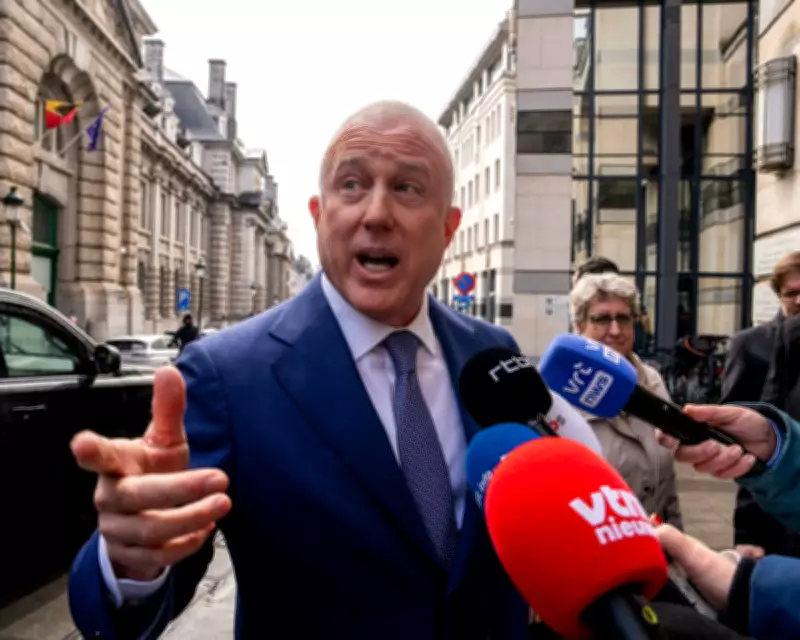
In a social media post on Monday, Ambassador White, a staunch ally of former President Donald Trump, launched a scathing attack on Belgium's handling of the case. He specifically targeted Socialist Health Minister Frank Vandenbroucke, describing him as "very rude" and demanding an end to what he called "unacceptable harassment" and "disgusting" treatment of the three mohels (ritual circumcisers) in Antwerp.
White's intervention prompted an immediate and forceful response from Belgian Foreign Minister Maxime Prévot, who declared any suggestion that Belgium is antisemitic as "false, offensive, and unacceptable." Prévot accused the ambassador of violating fundamental diplomatic norms and summoned him to the foreign ministry for a formal meeting on Tuesday.
Legal Context and Diplomatic Standoff
While circumcision remains legal in Belgium, it must be performed under strict conditions by qualified medical professionals. The investigation focuses specifically on whether the three mohels operated without the necessary medical training, not on the religious practice itself.
During Tuesday's tense meeting, White maintained his position, insisting there was "no need" for him to apologize. He stated he had "explained our position and that of President Trump and of our country" and expressed hope that Belgium would "legalize this process." Belgian authorities responded by reminding White of the Vienna Convention on Diplomatic Relations, emphasizing that "personal attacks on a member of the government and interference in Belgium's internal affairs are contrary to these basic diplomatic rules."
Broader Political Dimensions Emerge
The diplomatic dispute has expanded beyond the circumcision investigation. According to reports in the Belgian newspaper De Morgen, White presented an official complaint demanding "immediate condemnation" of statements made by Conner Rousseau, leader of the Flemish socialist Vooruit party. Rousseau had previously criticized US Immigration and Customs Enforcement (ICE) operations, suggesting they echoed historical atrocities.
Rousseau responded defiantly, noting his social media comments were made five weeks prior and questioning the timing of White's complaint. "I suspect [White's] intervention regarding the circumcision did not go as he would have liked," Rousseau remarked. He also addressed reports that White threatened him with a US travel ban, asserting Belgium's right to express concerns about US policies while calling for mutual respect between nations.
Institutional and Sovereign Principles at Stake
In its official statement, the Belgian foreign ministry emphasized that while Belgium values its relationship with the United States, dialogue "must be based on respect for our institutions and our sovereignty." The ministry reaffirmed Belgium's strong condemnation of antisemitism and racism, attempting to separate the legal investigation from broader accusations of prejudice.
This escalating diplomatic row highlights significant tensions between diplomatic protocol, national sovereignty, and religious freedom considerations. The situation remains unresolved as both sides maintain firm positions, with the US ambassador showing no indication of retracting his statements and Belgian authorities insisting on adherence to established diplomatic standards.