
UN General Assembly Officially Recognizes African Slavery as the Most Severe Crime Against Humanity
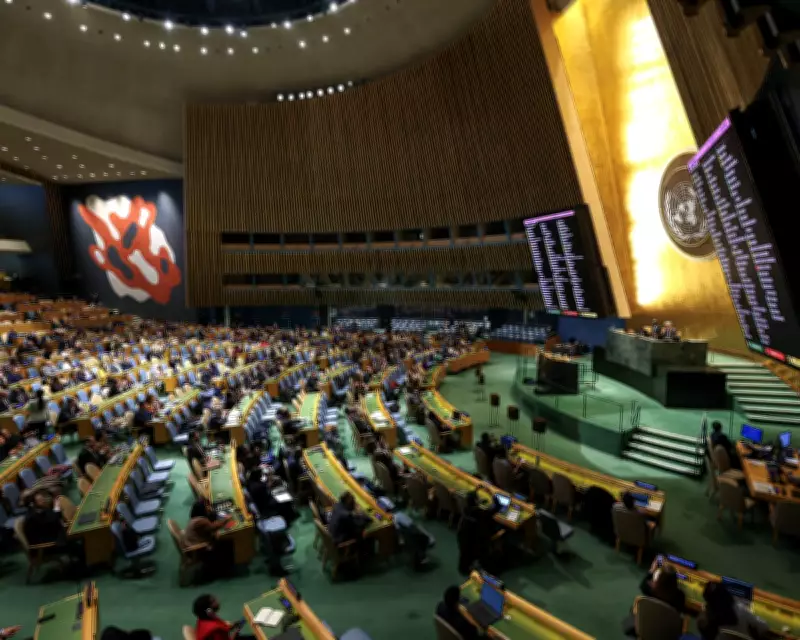
On March 25, the United Nations General Assembly passed a landmark resolution, formally declaring the trafficking and enslavement of Africans throughout history as the gravest crime ever committed against humanity. This historic vote underscores the global acknowledgment of the profound and enduring impacts of the transatlantic slave trade, setting a new precedent for international discussions on historical accountability and justice.
Reform UK's Controversial Response to Slavery Reparations Claims Draws Widespread Criticism
In the wake of this UN declaration, Reform UK has faced intense backlash for its aggressive stance against nations seeking reparations for slavery. Zia Yusuf, a prominent figure within the party, recently threatened to deny visas to citizens from countries that pursue compensation, a move that has been widely condemned as crude and intellectually dishonest. Critics argue that this position not only misrepresents the reparations movement but also demonizes entire populations based on their governments' principled historical inquiries.
Reform UK's logic has been described as threadbare and designed to provoke indignation among supporters without engaging in substantive debate. The party's claim that advocates for reparations are using history as a weapon to drain national treasuries is seen as a willful distortion, ignoring the complex moral and economic arguments at play. This approach has sparked outrage, with many viewing it as an attempt to stifle legitimate discourse on historical injustices.
Historical Context and the UK's Role in Slavery and Abolition
While Britain played a significant role in ending the slave trade and abolishing slavery, this does not absolve the nation from its deep involvement in these enterprises or erase their lasting effects. The 1833 act that abolished slavery in the British Empire required the government to compensate enslavers and plantation owners handsomely, with no provisions made for the formerly enslaved people. This compensation, amounting to an average of £400,000 in today's values for each of the 46,000 owners, was funded by a loan not fully repaid until 2015, highlighting a historical imbalance where perpetrators were rewarded while victims received nothing.
Descendants of William Wilberforce, a key figure in the abolition movement, have expressed dismay at Reform UK's assertion that the UK made huge sacrifices to end the slave trade. They argue that this perspective is ignorant and tone-deaf, failing to acknowledge the brutal realities faced by enslaved individuals who were denied freedom and subjected to appalling treatment. The question of reparations remains complex, but many emphasize that denying visas to descendants of enslaved people is a nasty and small-minded response that overlooks the potential benefits these individuals could bring to the UK.
Global Calls for Reparations and the Hypocrisy of Reform UK's Stance
European countries involved in slavery, along with the United States, are increasingly urged to pay reparations, as profits from these practices created vast wealth for white owners without any accountability. In the US, freed people were famously denied the promised 40 acres and a mule, a broken commitment that symbolizes the ongoing neglect of historical wrongs. Reform UK's threat to deny visas contrasts sharply with Nigel Farage's own statements against banning people for their opinions, revealing a pattern of hypocrisy within the party.
This inconsistency underscores Reform UK's dishonest approach, where right-hand actions often contradict left-hand rhetoric. As the global community moves towards greater recognition of historical crimes, the backlash against Reform UK's stance highlights the need for more nuanced and principled engagement with issues of reparations and justice, rather than resorting to divisive and punitive measures.




