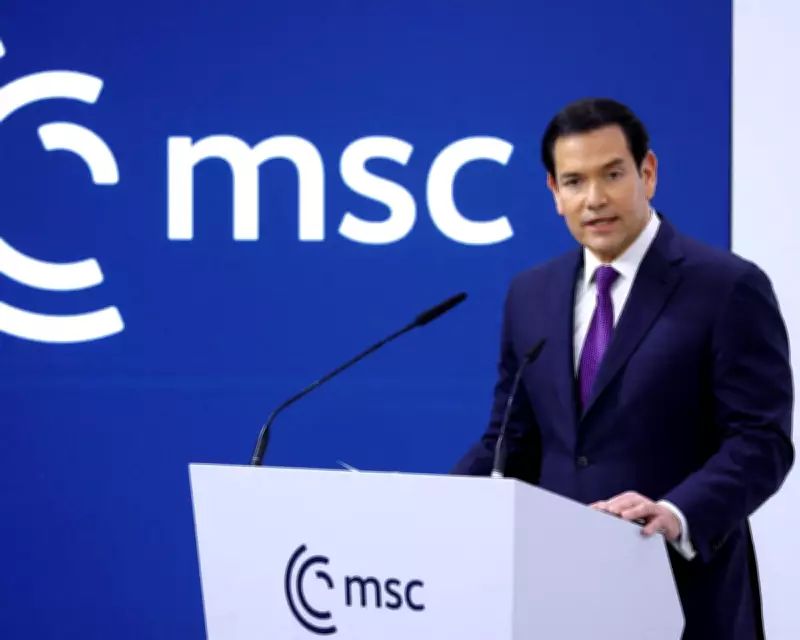
Trump's Conditional Friendship Offer to Europe
A recent analysis from The Guardian has examined former President Donald Trump's latest diplomatic overture toward European nations, revealing that his offer of "friendship" comes with significant ideological conditions. According to the report, Trump's approach is fundamentally shaped by the "Make America Great Again" (MAGA) movement's core tenets, which prioritize white Christian nationalist values in foreign policy decisions.
The Ideological Framework of the Offer
The analysis indicates that Trump's proposal is not a simple gesture of goodwill but rather a strategic move designed to align European allies with his political vision. This vision emphasizes traditional Christian values, national sovereignty, and a skepticism toward multiculturalism and global institutions. Experts cited in the report suggest that this conditional friendship could redefine transatlantic relations, pushing European countries to adopt policies that mirror Trump's domestic agenda.
Key elements of the offer include:
- A demand for European support on issues like immigration control and border security, reflecting Trump's "America First" philosophy.
- An expectation that allies will distance themselves from international agreements that conflict with MAGA principles, such as climate accords or human rights frameworks.
- A focus on promoting Christian heritage in public life, which critics argue marginalizes non-Christian and secular communities in Europe.
Implications for Transatlantic Relations
The Guardian's report highlights potential consequences for Europe if nations accept Trump's terms. While some right-wing politicians in Europe may welcome the alignment, it could strain relationships with more progressive governments and exacerbate divisions within the European Union. The analysis warns that this approach might undermine decades of cooperation on issues like defense, trade, and democratic values.
Political analysts note that Trump's offer reflects a broader trend in his foreign policy, where alliances are transactional and based on ideological compatibility rather than shared historical ties. This could lead to a fragmented international order, with Europe forced to navigate between Trump's vision and its own diverse political landscape.
Reactions and Future Outlook
Reactions to Trump's offer have been mixed, with supporters praising it as a bold step toward strengthening conservative alliances, while opponents criticize it as divisive and exclusionary. The Guardian's analysis concludes that the outcome will depend on how European leaders respond, balancing domestic pressures with the desire for stable U.S. relations. As the 2026 political landscape evolves, this conditional friendship offer may become a pivotal issue in global diplomacy, testing the resilience of transatlantic bonds in an era of ideological polarization.