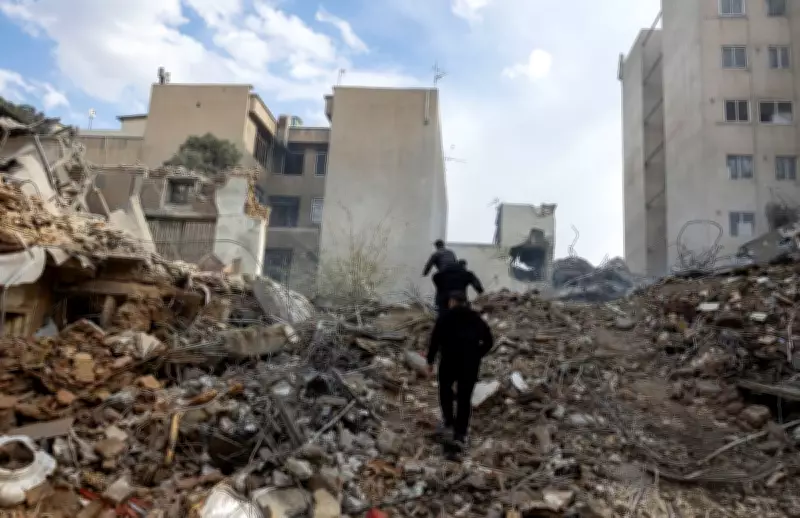
Trump's Ceasefire Ultimatum to Iran: A Critical Juncture in Middle East Crisis
In a dramatic escalation of tensions in the Middle East, former President Donald Trump has issued a stringent ceasefire ultimatum to Iran, setting a firm deadline that has sent shockwaves through international diplomatic circles. This development marks a pivotal moment in the ongoing regional crisis, with global leaders closely monitoring the situation as it unfolds with increasing urgency and apprehension.
The Ultimatum and Its Immediate Implications
Trump's deadline, delivered amidst heightened geopolitical strife, demands that Iran adhere to specific ceasefire terms or face potential consequences, though the exact nature of these terms remains undisclosed to the public. This move has reignited fears of a broader conflict in the Middle East, a region already grappling with instability and proxy wars. Analysts suggest that the ultimatum could strain already fragile diplomatic relations, potentially derailing peace efforts and escalating military posturing on both sides.
The timing of this announcement is particularly critical, as it comes during a period of renewed hostilities and shifting alliances in the area. World powers, including the United States, European Union, and neighboring countries, are now scrambling to assess the impact and formulate coordinated responses to prevent a full-scale war. The international community has expressed deep concern, urging restraint and dialogue to de-escalate the situation before the deadline passes.
Global Reactions and Diplomatic Maneuvers
Reactions from global leaders have been swift and varied, with some condemning the ultimatum as provocative, while others view it as a necessary pressure tactic to curb Iranian aggression. Key stakeholders in the Middle East, such as Israel and Saudi Arabia, are reportedly coordinating behind the scenes, aligning their strategies with Trump's demands to counter Iranian influence in the region. Meanwhile, Iran has yet to issue an official response, but state media hints at defiance, raising the stakes as the deadline looms.
Diplomatic channels are being activated at an unprecedented pace, with emergency meetings convened at the United Nations and other international forums. The crisis has underscored the volatile nature of Middle Eastern politics, where historical animosities and power struggles often overshadow peace initiatives. Experts warn that failure to meet the ceasefire terms could lead to severe repercussions, including economic sanctions, military strikes, or a breakdown in nuclear negotiations, further destabilizing the region.
Broader Context and Future Outlook
This ultimatum is set against a backdrop of long-standing tensions between Iran and Western powers, exacerbated by recent conflicts and political shifts. Trump's involvement adds a layer of complexity, given his previous policies toward Iran during his presidency, which included withdrawing from the nuclear deal and imposing harsh sanctions. The current crisis highlights the enduring challenges in achieving lasting peace in the Middle East, where ceasefire agreements often prove temporary and fragile.
As the deadline approaches, the world watches with bated breath, aware that the outcome could reshape regional dynamics for years to come. The situation demands careful navigation by all parties involved, with a focus on diplomatic solutions over military escalation. In the coming days, updates on Iran's response and international mediation efforts will be crucial in determining whether this crisis can be averted or if it will spiral into a more dangerous confrontation.