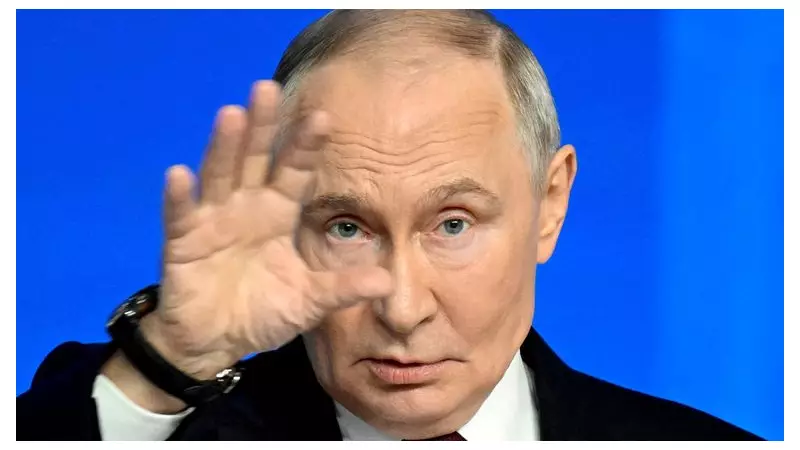
In a move set to reshape diplomatic perceptions, former and potentially future US President Donald Trump has reportedly extended an invitation to Russian leader Vladimir Putin to join a newly proposed 'board of peace'. The panel's stated purpose is to oversee a ceasefire in the conflict in Gaza, a detail laden with irony given Mr Trump's own failure to broker a cessation of hostilities in Ukraine.
A Bitter Irony for Ukraine
The apparent invitation, which as of Monday 19 January 2026 remained unconfirmed by the White House, has been met with anticipated disgust in Kyiv. For nearly four years, Ukraine has endured a relentless Russian military assault, making the prospect of President Putin being cast as an international peace arbiter particularly galling.
Moscow continues to insist there can be "no ceasefire until a full peace deal" is reached, rejecting Ukrainian calls for a pause in fighting along the current frontlines. Analysts suggest the move speaks volumes about the Trump administration's approach to Russia, signalling a shift from treating the Kremlin as a pariah state to viewing it as a potential partner in global diplomacy.
Strategic Gains for the Kremlin
For Vladimir Putin, the offer represents a significant political gift. Acceptance would mark another deliberate step out of the international isolation imposed following the 2022 invasion of Ukraine and towards a form of rehabilitation on the world stage. The invitation alone, regardless of whether Putin ultimately joins, serves to legitimise his standing.
There is a possibility that his inclusion could prompt resignations from other proposed board members. Questions have been raised about how figures like former UK Prime Minister Tony Blair would feel about sharing a platform with a leader accused of war crimes by the International Criminal Court. Others might simply decline to participate.
Broader Implications for Global Order
Beyond the immediate outrage, the move deepens growing suspicions in European capitals that Washington's stance in any future Ukraine peace talks would heavily favour Moscow. The board's potential to undermine the traditional conflict-resolution role of the United Nations is also a concern, despite Russia's own permanent seat on the UN Security Council.
Experts note that anything which weakens the existing, Western-led world order tends to please the Kremlin, especially if it proceeds without the involvement of Ukrainian President Volodymyr Zelenskyy. Furthermore, reports suggest Mr Trump envisions the board's mandate expanding to resolve other global conflicts. This raises a critical question: could Ukraine itself eventually become an item on this board's agenda, a scenario that would offer Putin a coveted seat at the table deciding his own war's outcome?
For the Russian president, given the strategic advantages of normalising his international role and potentially influencing discussions on Ukraine, this may ultimately prove an offer too good to refuse.