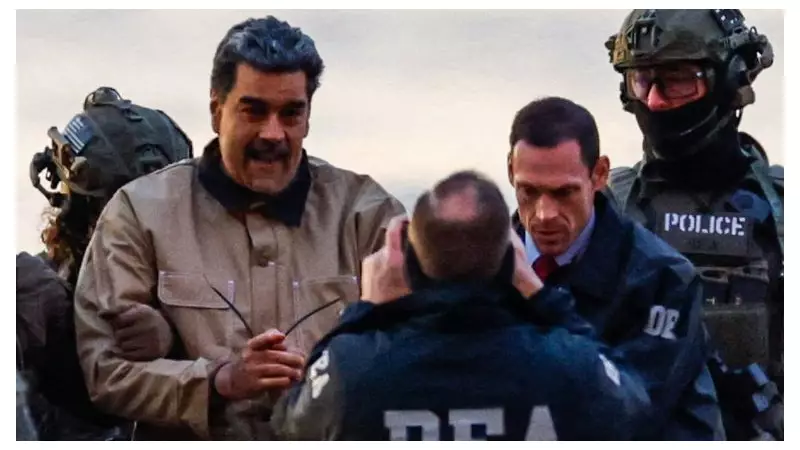
In what former US President Donald Trump has labelled an "extraordinary moment in history", the deposed Venezuelan leader, Nicolas Maduro, has made his first court appearance in New York on serious drugs and weapons charges.
The Dramatic Courtroom Scene
Maduro and his wife, Cilia Flores, were arraigned at a Manhattan courthouse on Monday 5 January 2026. Both pleaded not guilty to the charges, which include narco-terrorism conspiracy, cocaine importation conspiracy, and possession of machine guns and destructive devices.
In a defiant statement to the judge, Maduro declared, "I am not guilty, I am a decent man, I am still the president of my country." His wife similarly identified herself as "the first lady of Venezuela." The hearing, which lasted roughly 30 minutes, was the couple's first since their capture by US forces, an action the Trump administration justified using these very charges.
Legal Challenges and a Courtroom Confrontation
Maduro's defence attorney immediately raised "issues with the legality of the military abduction" that brought the couple to the United States. The former leader also requested a consular visit, which the judge confirmed would be arranged. His legal team is not currently seeking his release, with the judge stating a bail application could be made "when appropriate."
The proceeding concluded with a dramatic confrontation. As Maduro was being led out, 33-year-old Pedro Rojas, who later said he had been imprisoned by the Venezuelan regime, stood and addressed him forcefully in Spanish. Maduro looked directly at him and responded, "I am a kidnapped president. I am a prisoner of war."
Political Repercussions and Next Steps
Speaking to Sky News' US partner NBC after the hearing, Donald Trump was asked if the US was at war with Venezuela. He replied, "No. We're not. We're at war with people that sell drugs." This underscores the administration's framing of the operation as part of a broader campaign against narcotics trafficking rather than a direct act of war against a state.
Maduro and Cilia Flores are scheduled to appear in court again on 17 March. The unprecedented legal case continues to raise profound questions about international law, sovereignty, and the future of US-Venezuela relations.