Rubio Directs US Diplomats to Cease Public Commentary That Could Inflame Iran Negotiations
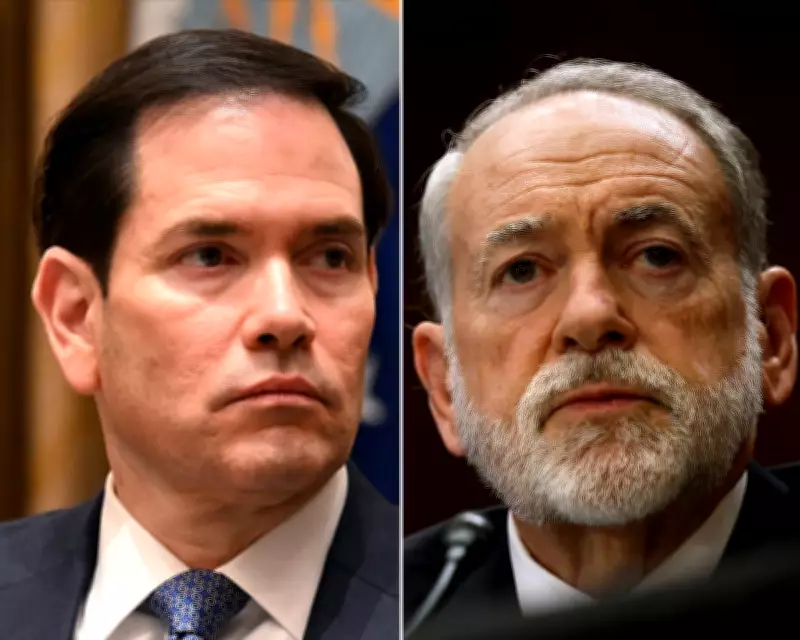
In a significant diplomatic move, US Secretary of State Marco Rubio has issued a directive ordering American ambassadors across the Middle East to immediately halt all public commentary that could potentially strain ongoing nuclear negotiations with Iran. The confidential memo, obtained exclusively by the Guardian, represents a clear effort to control messaging and prevent further escalation in an already volatile region.
Memo Follows Huckabee's Controversial Remarks on Israel
The directive circulated internally on February 23rd, just two days after US Ambassador to Israel Mike Huckabee made inflammatory comments during an appearance on Tucker Carlson's podcast. While the unclassified cable did not specifically name Huckabee, its timing and distribution left little doubt about its intended target within diplomatic circles.
"Given rising tensions in the region, Chiefs of Mission and embassies at addressee posts must refrain from public statements, interviews, or social media activity that could in any way inflame regional audiences, prejudice sensitive political issues, or complicate US relationships," the cable explicitly stated.
The document further emphasized that "discipline in public messaging is essential, especially at this time," reflecting growing White House concerns about diplomatic missteps undermining critical negotiations.
White House Alarm Over Potential Impact on Nuclear Talks
Administration officials reacted with significant alarm to Huckabee's podcast appearance, where he suggested Israel had biblical rights to extensive Middle Eastern territories. The comments sparked condemnation across Arab nations and raised fears they could harden Iran's position during delicate negotiations.
"The president is starting to get pissed with Huckabee for interfering with his negotiation," revealed a source familiar with internal discussions. "And he hasn't forgotten that his daughter refused to endorse him in the last campaign."
The directive emerged as US envoys Steve Witkoff and Jared Kushner engaged in what would become largely unsuccessful talks with Iranian representatives in Geneva. During marathon negotiations, American officials pushed Tehran to:
- Destroy its three primary nuclear enrichment facilities at Fordow, Isfahan, and Natanz
- Deliver its remaining enriched uranium stockpile to the United States
- Accept permanent restrictions without sunset provisions that characterized the 2015 nuclear accord
Broader Context of US-Iran Nuclear Diplomacy
The diplomatic tension occurs against the backdrop of President Trump's withdrawal from the Joint Comprehensive Plan of Action during his first term and subsequent military actions against Iranian nuclear facilities. The current administration has maintained that any new agreement must be permanent and verifiable, a position Iran has consistently rejected.
Meanwhile, Secretary Rubio is scheduled to travel to Israel for meetings with Prime Minister Benjamin Netanyahu, though State Department officials declined to comment on the specifics of his itinerary or the diplomatic memo.
Huckabee's Controversial Biblical Interpretation
The ambassador's problematic comments centered on interpretations of the Book of Genesis, specifically God's covenant with Abraham regarding territory between the "river of Egypt" and the Euphrates. While scholars debate whether this refers to the Nile or Sinai waterways, Huckabee suggested Israel could legitimately claim extensive modern territories.
"I don't think that's what we're talking about here today ... they're not asking to take it over," Huckabee later qualified, but the initial remarks had already drawn sharp criticism from Arab leaders who viewed them as violating diplomatic norms and potentially destabilizing regional diplomacy.
The diplomatic memo represents a clear attempt to rein in independent commentary that could complicate already challenging negotiations with Iran, reflecting the administration's recognition that unified messaging remains crucial during this sensitive period in Middle East diplomacy.