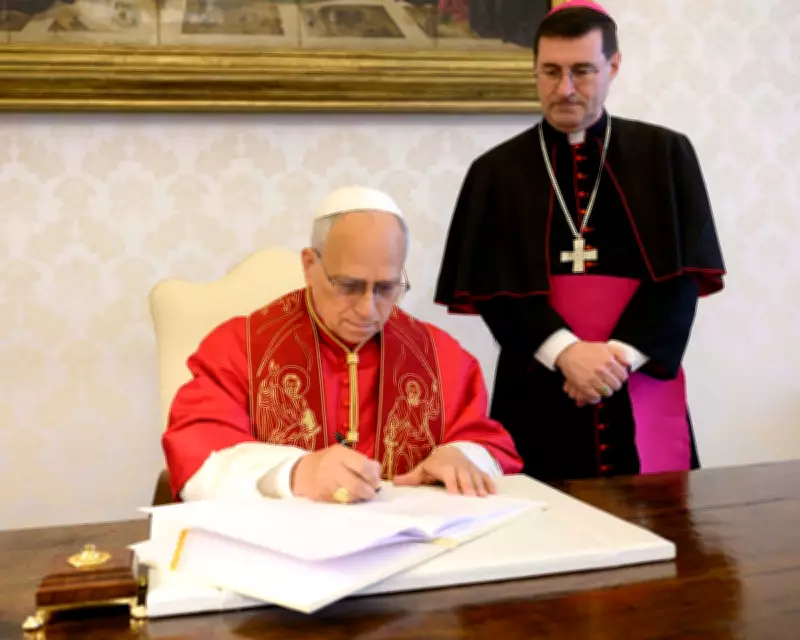
Pope Leo XIV has signed his first encyclical, Magnifica Humanitas, at the Apostolic Palace in Vatican City, marking a significant intervention in the global debate on artificial intelligence. The document, released on 25 May 2026, draws inspiration from Pope Leo XIII's Rerum Novarum, which addressed the social upheavals of the Industrial Revolution. Leo XIV aims to similarly guide society through the digital revolution, emphasizing the need to prioritize human dignity amidst rapid technological change.
The Core Message: Human Dignity First
Magnifica Humanitas, spanning approximately 42,000 words, outlines the profound challenges posed by AI developments. It urges political leaders to safeguard human dignity as new technologies emerge faster than ethical regulations can keep pace. The encyclical stresses the unique value and status of human beings, warning against a dystopian future where machines usurp social roles. This moral foundation is intended to inform debates on care provision, autonomous warfare, and other critical areas.
One speaker at the document's launch cautioned that human flourishing and freedom would be gravely compromised if individuals are reduced to "user tools of an algorithmic order." Such observations are particularly timely given recent political decisions, such as Donald Trump's postponement of an executive order mandating safety reviews of new AI models. The encyclical argues that state regulation is essential to ensure AI innovations benefit all, countering the reckless hubris and profit-seeking of figures like Elon Musk.
Unprecedented Collaboration
Notably, the presentation included an address by Christopher Olah, the atheist co-founder of Anthropic, a company criticized by Trump for refusing to endorse AI tools for warfare and mass surveillance. Olah's presence sparked accusations of "popewashing," but the Vatican views such collaboration as a necessary moral dialogue. Despite Anthropic's un-Catholic claims about the soulful qualities of its Claude language models, the event symbolized uncharted ethical territory.
The pope's intervention is informed by a theological perspective, but its humanity-first message resonates with secular audiences. As Leo XIV writes, "Each generation inherits the task of shaping its own era, of guiding history to become a place where the dignity of every person is safeguarded, justice is promoted and fraternity is made possible." Magnifica Humanitas is an important contribution to a crucial debate on the ethical governance of AI.