
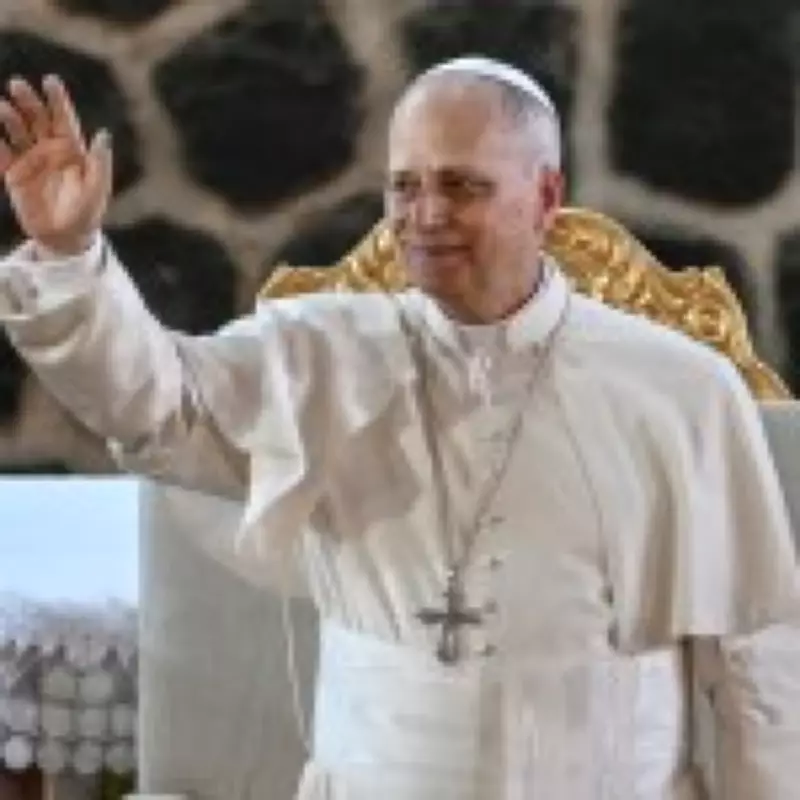
Pope Leo Intensifies Rhetorical Clash with Trump Over War Spending
Pope Leo has dramatically escalated his war of words with President Donald Trump, delivering a sharp condemnation of global leaders who allocate billions to military conflicts. During a visit to Cameroon on Thursday, the Catholic leader declared that the world is "being ravaged by a handful of tyrants", directly challenging political figures who use religious justifications for warfare.
First U.S. Pope Targets Trump's Policies and Posts
Leo, who made history as the first American pope, specifically criticized politicians employing religious language to rationalize wars, a clear reference to Trump's recent statements. The feud ignited when Pope Leo labeled the U.S. and Israeli military actions against Iran as "unjust", prompting Trump to retaliate on Truth Social. The former president accused the pontiff of being "WEAK on Crime" and "terrible on foreign policy", while asserting, "I don't want a pope who thinks it's OK for Iran to have a nuclear weapon."
AI-Generated Image Sparks Outrage and Confusion
The controversy deepened when Trump shared a bizarre AI-generated image depicting himself as Jesus Christ, which he later deleted while claiming confusion over its content. He stated he believed it showed him "as a doctor" associated with the Red Cross, blaming "fake news" for the misinterpretation. This post provoked fury from religious leaders and MAGA supporters alike, with Fox News commentator Riley Gaines remarking, "God shall not be mocked," and suggesting Trump needs more humility.
Pope's Rebuttal and Focus on Cameroon Conflict
In response to Trump's attacks, Pope Leo told Reuters he plans to continue speaking out against war but prefers to avoid direct debate, stating, "I don't want to get into a debate with him." His remarks in Cameroon highlighted the ongoing conflict in the country's English-speaking regions, a decade-long crisis that has resulted in thousands of deaths, underscoring his commitment to addressing global humanitarian issues over political sparring.
The escalating exchange between these two prominent figures has captured international attention, raising questions about the intersection of religion, politics, and technology in modern diplomacy.




