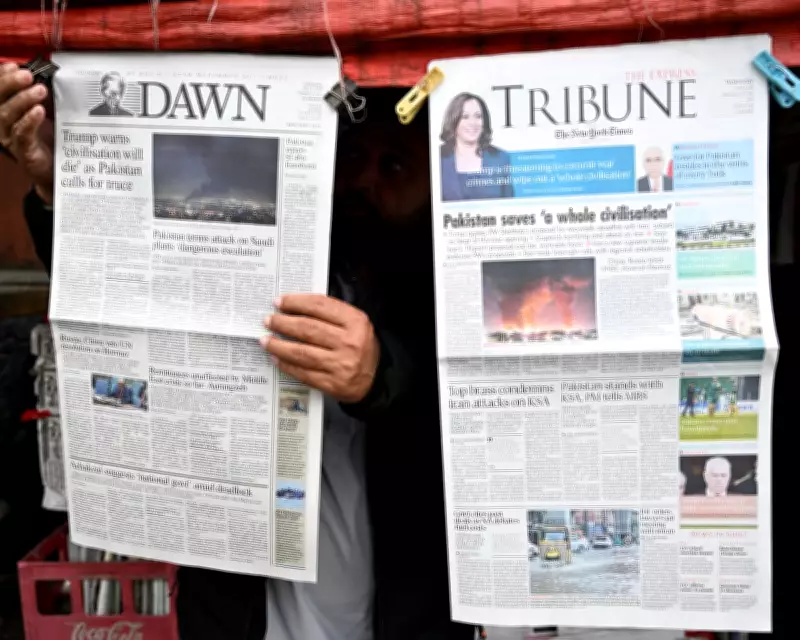
Middle East Ceasefire Announced: A Critical Juncture for Regional Peace
The recent declaration of a ceasefire in the Middle East has sparked a wave of cautious optimism across the international community, marking a pivotal moment in a long-standing and deeply entrenched conflict. This development, emerging after months of intense diplomatic efforts and escalating tensions, raises fundamental questions about its durability and transformative potential. As stakeholders from various nations hold their breath, the world watches closely to see if this fragile truce can evolve into a sustainable framework for peace, or if it will succumb to the historical patterns of breakdown that have plagued previous agreements.
Assessing the Ceasefire's Potential to Endure and Transform the Region
Will this ceasefire hold, and what tangible differences might it make in the volatile landscape of the Middle East? These are the pressing inquiries at the forefront of global discourse. The ceasefire's success hinges on a complex interplay of factors, including the commitment of all involved parties to adhere to the terms, the effectiveness of international monitoring mechanisms, and the underlying political will to address root causes of the conflict. Historically, ceasefires in this region have often been temporary respites, quickly undermined by sporadic violence, deep-seated mistrust, and unresolved grievances. However, analysts suggest that this particular agreement may benefit from heightened international pressure and a renewed focus on humanitarian concerns, potentially creating a more conducive environment for lasting stability.
If maintained, the ceasefire could usher in significant changes, such as reduced civilian casualties, improved access to aid in conflict-affected areas, and a potential de-escalation of regional proxy wars. It might also open doors for renewed peace talks, fostering dialogue on contentious issues like territorial disputes, security arrangements, and economic cooperation. Nevertheless, skeptics warn that without comprehensive political solutions and confidence-building measures, any ceasefire risks being a mere pause in hostilities rather than a step toward genuine reconciliation.
Geopolitical Implications and the Road Ahead
The broader implications of this ceasefire extend beyond immediate security concerns, influencing global diplomacy and regional alliances. Key players, including major powers and neighboring countries, are likely to recalibrate their strategies in response to this development. For instance, a stable ceasefire could reduce the risk of wider regional conflagration, easing tensions in international relations and potentially leading to collaborative efforts on issues like refugee crises and economic development. Conversely, if the ceasefire falters, it could exacerbate existing divisions, trigger renewed arms races, and undermine trust in diplomatic initiatives.
In conclusion, while the ceasefire represents a hopeful sign in the Middle East's tumultuous history, its ultimate impact remains uncertain. The coming weeks and months will be critical in determining whether this agreement can break the cycle of violence and pave the way for a more peaceful future. Stakeholders must prioritize transparency, accountability, and inclusive negotiations to maximize its chances of success, recognizing that the stakes are high for millions of lives and the stability of the entire region.