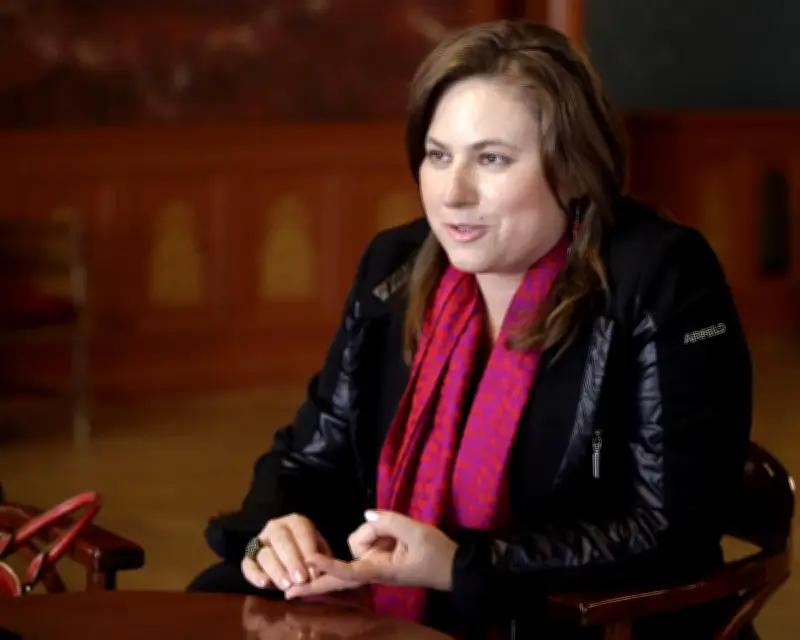
Hungarian chess legend Judit Polgár has declined the nomination for president, just one day after Prime Minister Péter Magyar announced he would ask her to take on the largely ceremonial role. Polgár, 49, stated in a Facebook post that she was grateful for the offer but did not feel strong enough to take on the historic responsibility of uniting a divided nation.
Polgár's response and background
Magyar had said he would meet Polgár on Monday to discuss the matter, writing on social media: "Our country needs unity, peace and a president that all Hungarians can be proud of. Judit Polgár’s name has been synonymous with talent and perseverance for decades." However, Polgár responded: "I do not feel enough strength within me to take on the historic responsibility of uniting a divided nation, so I am unable to accept the request."
Judit Polgár is the only female player to have been ranked in the world’s top 10 of chess, which is male-dominated. She is also the only woman to have crossed the rating of 2700, the threshold that many consider the definition of a super grandmaster. She was the top-ranked female player for 25 years until her retirement in 2014. At age 15, she became the youngest grandmaster in the world, breaking the record set by Bobby Fischer in 1958.
Political context and Sulyok's ouster
The offer came after a months-long standoff between Magyar and President Tamás Sulyok, who was appointed during former leader Viktor Orbán’s time in power. Since his landslide victory in April, Magyar has repeatedly called on Sulyok to step down, accusing him of being a puppet who failed to stand up for the country as Orbán’s Fidesz party was criticized for weakening democratic institutions and undermining the rule of law.
Hungary’s parliament, where Magyar’s centre-right Tisza party holds a two-thirds majority, voted last week to back a constitutional amendment that included an immediate end to Sulyok’s term. Sulyok had five days to sign off on the amendment. The move was criticized by rights groups, including Human Rights Watch, which said the rushed changes were "reminiscent of the Fidesz era." Magyar insisted the changes were needed to loosen Orbán’s lingering grip on the country.
Magyar's rapid reforms
Since sweeping into power on a promise of "regime change," Magyar and his party have moved swiftly to dismantle bastions of Orbán’s 16-year rule. Actions include suspending news broadcasts by public media outlets with ties to the former prime minister and abolishing the sovereignty protection office, which had allowed intelligence services to access information without judicial oversight.
As news emerged that Sulyok had signed the legislation ending his term, Magyar proposed nominating Polgár as his replacement. The idea was first floated in an open letter signed by 16 prominent Hungarians, including Ernő Rubik, inventor of the Rubik’s Cube. Polgár, who turns 50 in a few days, won victories against several male world champions, including Garry Kasparov in 2002. She is the subject of the documentary Queen of Chess, released in February.