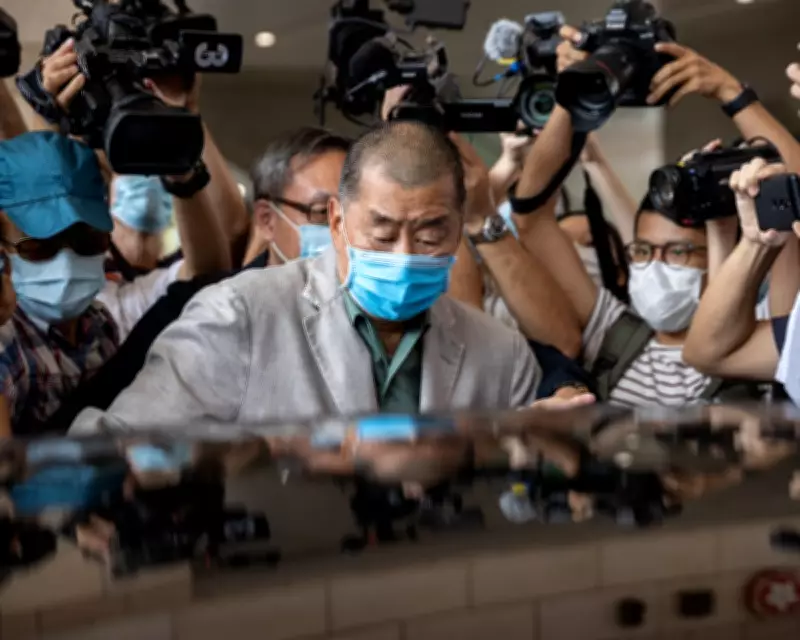
Jimmy Lai's Imprisonment in Hong Kong: A British Perspective on Democracy and International Relations
The case of Jimmy Lai, the prominent Hong Kong democracy activist, has drawn significant attention from Britain, highlighting the complex interplay between human rights, democracy, and international diplomacy. Lai, a media mogul and outspoken critic of the Chinese government, was sentenced to prison in Hong Kong under national security laws, a move that has sparked widespread concern among British observers and policymakers.
Background and Context of Jimmy Lai's Activism
Jimmy Lai rose to prominence as a key figure in Hong Kong's pro-democracy movement, using his media outlets to advocate for greater autonomy and political freedoms in the semi-autonomous region. His activism intensified following the 2019 protests in Hong Kong, where millions took to the streets to oppose perceived encroachments by Beijing on the city's liberties. Lai's arrest and subsequent trial under the national security law, imposed by China in 2020, have been viewed by many in Britain as a stark example of the erosion of Hong Kong's promised freedoms under the "one country, two systems" framework.
British Reactions and Diplomatic Implications
From a British perspective, Jimmy Lai's case resonates deeply due to historical ties between the UK and Hong Kong, stemming from the colonial era and the 1997 handover agreement. British politicians, including members of Parliament and human rights groups, have condemned Lai's imprisonment, calling it a violation of fundamental rights and a threat to Hong Kong's rule of law. This stance reflects broader British concerns about China's growing influence and its impact on global democratic norms. The UK government has faced pressure to take a firmer stand, balancing diplomatic relations with China against commitments to human rights and international law.
Analysis of Democracy and Activism in Hong Kong
The imprisonment of Jimmy Lai underscores the challenges faced by democracy activists in Hong Kong under increasing pressure from Beijing. Analysts note that Lai's case is part of a wider crackdown on dissent, with many other activists and journalists facing similar fates. This has led to debates in Britain about the effectiveness of international advocacy and the role of Western nations in supporting democratic movements abroad. Some argue that Britain, given its historical responsibility, has a moral obligation to speak out, while others caution against actions that could escalate tensions with China.
Future Outlook and Broader Implications
Looking ahead, Jimmy Lai's situation is likely to remain a focal point in UK-China relations, influencing trade, security, and diplomatic dialogues. The case highlights the delicate balance Britain must strike between promoting democratic values and maintaining pragmatic ties with a major global power. For Hong Kong, Lai's imprisonment signals a narrowing space for political opposition, raising questions about the future of its autonomy and the resilience of its civil society. British observers continue to monitor developments closely, advocating for a peaceful resolution that upholds human rights and the rule of law.