Explosion Rocks Tehran Amid US-Israeli Military Strike
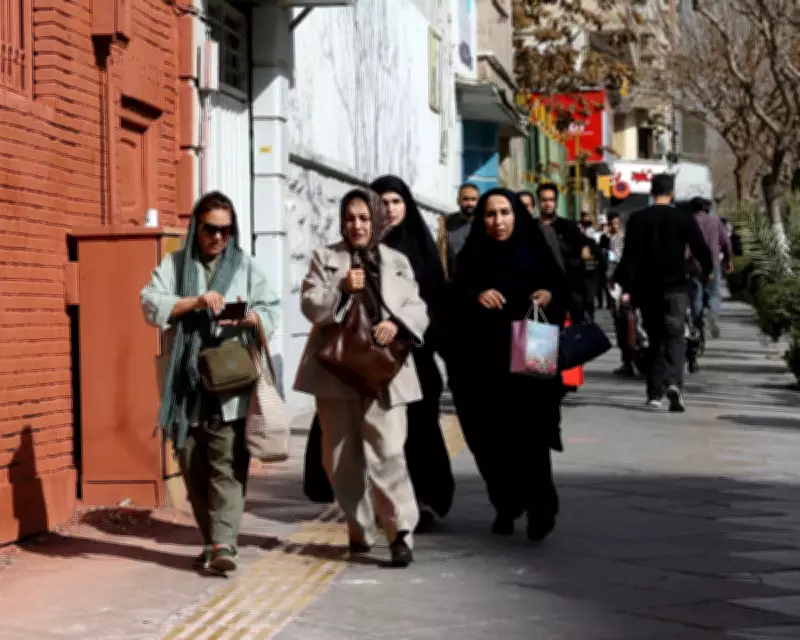
Panic erupted in Tehran as residents ran for cover following a loud explosion, captured in dramatic photographs by Majid Asgaripour of Reuters. The blast coincided with a carefully coordinated military assault by the United States and Israel, targeting Iranian facilities. This attack, occurring in the midst of sensitive nuclear negotiations between Iran and the US, has severely jeopardized the prospects for any diplomatic agreement.
Timing of Attack Undermines Diplomatic Trust
The joint US-Israeli operation had been in planning for several months, but its execution during active talks raises profound questions about Washington's commitment to reaching a deal with Tehran. This marks the second instance where military action has intersected with negotiation timelines. In June of last year, Israel initiated a ten-day offensive against Iran just three days before scheduled talks, with US support following shortly after.
Now, with this latest assault disrupting a second round of negotiations, Iranian officials are questioning whether they can ever take US diplomatic overtures seriously. As one Iranian Telegram channel starkly noted: "Once again the US attacked while Iran was pursuing diplomacy. Once again diplomacy does not work with the terrorist state of the US."
Omani Mediator's Desperate Diplomacy
Omani Foreign Minister Badr Albusaidi, who has been mediating the talks, made an emergency trip to Washington upon learning of the imminent US military plans. In a desperate attempt to salvage the negotiations, he even appeared on CBS to disclose details of the potential agreement taking shape. Albusaidi claimed that a peace deal was within reach, potentially superior to the 2015 agreement abandoned by the Trump administration in 2018.
According to the Omani diplomat, Iran had reportedly agreed to several significant concessions:
- Zero stockpiles of highly enriched uranium
- Down-blending of existing highly enriched uranium stockpiles within Iran
- Full verification access for International Atomic Energy Agency inspectors
- Potential access for US weapons inspectors alongside IAEA personnel
- Limiting enrichment to civil nuclear program requirements only
Albusaidi suggested that a principles agreement could be signed within the week, with verification details finalized over the following three months. However, the proposed deal notably omitted substantive commitments on human rights, Iran's ballistic missile program, or its support for regional proxy forces.
Iran's Security Concerns and Missile Defense
From Tehran's perspective, ballistic missiles with a 1,250-mile range remain central to national defense, particularly following the joint US-Israeli attack. Former Iranian Foreign Minister Javad Zarif has consistently defended the missile program by referencing Iran's vulnerability during the Iran-Iraq war, suggesting that reduced US arms sales in the Gulf region might diminish Iran's need for such capabilities.
Yet this perspective found little resonance with the Trump administration. Special Envoy Steve Witkoff hinted at presidential expectations when he expressed surprise that Iran hadn't capitulated already. President Trump himself offered minimal justification for the attack, simply stating: "Iran's threatening activities put the US, its forces and bases abroad and our allies around the world at risk."
Broader Implications and Future Debates
The coming weeks will likely see intense debate within the United States about whether Albusaidi's optimistic assessment of the negotiations was justified. If Iran had genuinely offered needs-based low-level enrichment alongside the elimination of highly enriched uranium stocks and robust verification measures, these concessions would have substantially curtailed Tehran's nuclear weapons capability.
Critics may argue that President Trump, encouraged by Israeli interests and Republican hawks, deliberately rejected an agreement that could have peacefully resolved three decades of nuclear tension with Iran. Others will maintain that the continuation of Iran's current regime itself represents an unacceptable threat to global security.
What remains particularly striking is President Trump's failure to articulate or justify his objectives to the American public, Congress, or international allies prior to launching the attack. This lack of transparency further complicates an already volatile geopolitical landscape, leaving diplomatic channels in tatters and regional stability hanging in the balance.