China has expressed serious concerns over Taiwan's presence at the annual Pacific Islands Forum in Palau, with its special envoy warning of 'consequences' after the democratically ruled island attended the group's opening ceremony on Monday. The warning underscores the heightened Beijing-Taipei tensions that have featured prominently at the meeting, which is intended to demonstrate regional unity.
Envoy's warning and Taiwan's response
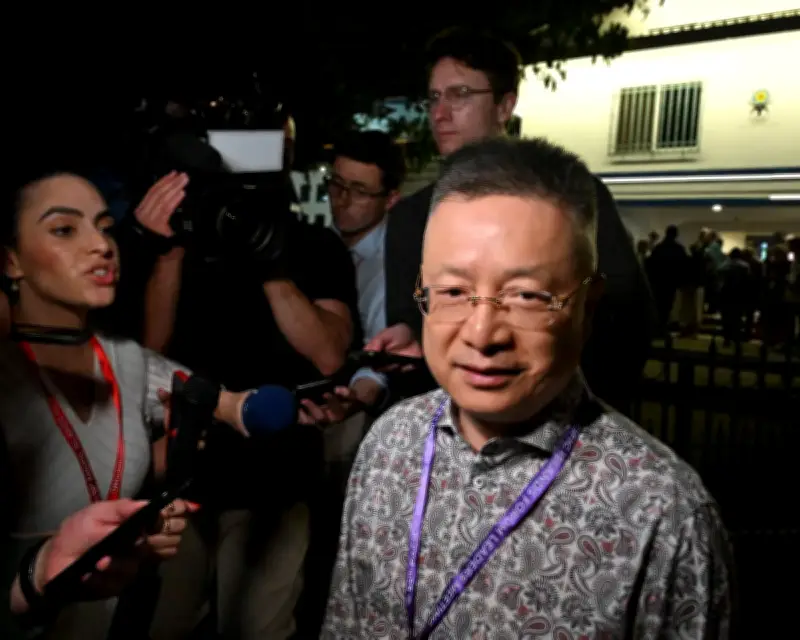
'There will always be consequences,' Qian Bo, China's special envoy for Pacific island affairs, said of Taiwan attending the event. 'It's not a threat,' he said, without specifying what the consequences would be. 'This is objected to by all, so this should not have happened. We think it's very inappropriate to do so,' he told reporters on Monday after an opening ceremony in Palau, an archipelago of more than 500 islands that has maintained diplomatic ties with Taiwan.
Taiwan's foreign minister, Lin Chia-lung, said on Monday: 'Taiwan is honoured to serve as a partner in the Pacific, continuing to stand with everyone and work together to make the Pacific more prosperous and peaceful.' Lin was invited for meetings and side events held alongside the forum. Taiwan is not a formal dialogue partner of the forum like China, but a development partner. The US, EU, Britain, Canada, India and Japan are also among the 21 dialogue partners of the forum.
Regional leaders back forum autonomy
Australia's prime minister, Anthony Albanese, said when asked by reporters about the Chinese envoy's remarks: 'The Pacific Islands Forum determines what happens here, not any other country. This is primarily a gathering of the Pacific family … and I look forward to the engagement.' New Zealand's foreign minister, Winston Peters, echoed that sentiment, saying the group did not take instructions from countries outside it.
China has gradually whittled away the number of Pacific Island countries with formal ties to Taipei, with only three remaining: Palau, Tuvalu and the Marshall Islands. The leaders of Fiji, Vanuatu, Samoa, Solomon Islands and Kiribati did not attend the gathering of the 18-member group that counts Australia, New Zealand and Pacific island nations as members. Ministers are attending in their place.
Geopolitical implications and security moves
China is Australia's largest trading partner, but Canberra remains wary of Beijing's expanding influence in the Pacific and has stepped up security and development ties with island nations to deter any permanent Chinese military presence in the region. Australia, New Zealand and the US have long considered the South Pacific to fall within their sphere of influence. In the latest sign of that effort, New Zealand and the US said in a joint statement released on Tuesday during the summit that they would jointly fund a major upgrade of a second world war port on a Cook Islands atoll.