Chagossians Launch Permanent Settlement to Thwart UK-Mauritius Sovereignty Deal
In a bold move to complicate a controversial British plan, four Chagossians have landed on the remote Île du Coin atoll within the Chagos archipelago, declaring their intention to establish a permanent settlement. This action directly challenges a 2025 agreement between Britain and Mauritius, which would transfer sovereignty of the British Indian Ocean Territory to Mauritius while leasing Diego Garcia for 99 years to maintain a joint US-UK military base.
Mauritius Dismisses Settlement as Publicity Stunt Amid Rising Tensions
The Mauritius attorney general, Gavin Glover, has labeled the landing illegal and a publicity stunt designed to create conflict with the British government. He emphasized that Mauritius will not exercise authority over the Chagos Islands until the treaty is ratified. This response comes as some Chagossians accuse Mauritius of decades of neglect, allegations that Mauritius denies.
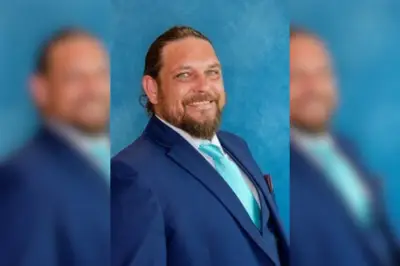
Misley Mandarin, the leader of the group, stated that they are currently living in tents on Île du Coin, with plans for 10 more arrivals next week and many others in the coming year. Born in Mauritius, Mandarin expressed a deep personal connection to the islands, noting that his 74-year-old father, who was forcibly removed at age 14, is with him. I am not in exile any more. This is my homeland, he said, aiming to enable the 322 surviving individuals born on the atoll to return home.
Historical Context and International Concerns Over Rights Violations
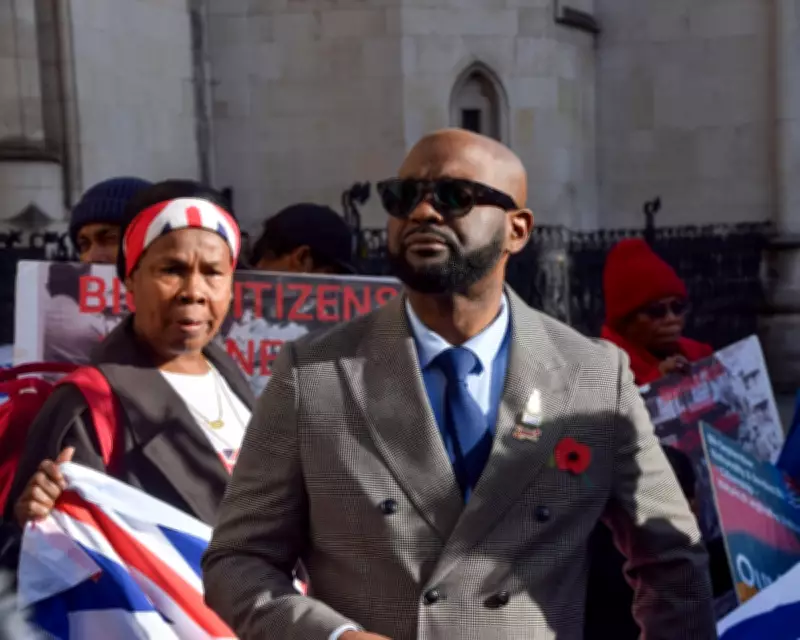
Up to 2,000 Chagossians were forcibly removed from the archipelago in the 1960s and 1970s, resettling primarily in Mauritius and Britain. Many have long sought the right to return, fueling ongoing disputes over sovereignty and human rights. The UN committee on the elimination of racial discrimination has urged Britain and Mauritius not to ratify the 2025 agreement, warning that it risks perpetuating historical rights violations.
Mandarin sought to reassure the United States that the settlement does not threaten the military base on Diego Garcia, a key strategic asset in the Indian Ocean. However, international scrutiny remains high, with the UN's stance highlighting the ethical complexities of the transfer.
Trump's Shifting Stance on Diego Garcia and US National Security
Earlier this month, former US President Donald Trump moderated his criticism of the UK's plan, describing the deal as the best that Prime Minister Keir Starmer could make. This marks a shift from last month, when Trump called ceding sovereignty an act of great stupidity and linked it to broader national security concerns, including a controversial claim about acquiring Greenland.
In a post on Truth Social, Trump acknowledged the strategic importance of Diego Garcia for US military operations, citing its location in the Indian Ocean. He stated that he understands the deal's constraints but warned that if the lease ever falls apart or US operations are threatened, he retains the right to militarily secure and reinforce the American presence on the base, dismissing any fake claims or environmental nonsense.
This development underscores the ongoing geopolitical tensions surrounding the Chagos Islands, with Chagossians taking direct action to reclaim their homeland amid international debates over sovereignty, military strategy, and human rights. The situation continues to evolve as more settlers plan to arrive, potentially escalating conflicts between local activists, governments, and global powers.