Australia Faces Growing Pressure to Repatriate Citizens from Syrian Camp
Human rights organizations and advocacy groups are intensifying their calls for the Australian government to take immediate action to evacuate its citizens from the Roj camp in northeastern Syria. The camp, which houses families with alleged links to the Islamic State, has seen a significant deterioration in living conditions, raising urgent humanitarian concerns.
Deteriorating Conditions in Roj Camp
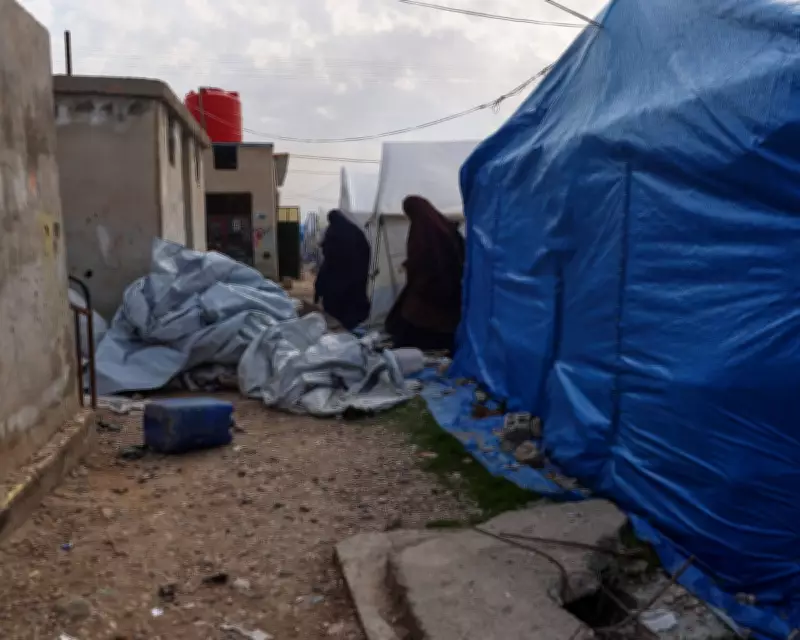
Reports from the ground indicate that the Roj camp is grappling with severe shortages of essential supplies, including food, clean water, and medical aid. The infrastructure is crumbling, with inadequate shelter and sanitation facilities exacerbating the health risks for residents. Many of the camp's inhabitants, including women and children, are Australian citizens or have strong ties to Australia, having been detained following the collapse of Islamic State territories.
The situation has become increasingly dire, with advocates warning that the lack of basic necessities could lead to a humanitarian catastrophe. Children, in particular, are suffering from malnutrition and preventable diseases, highlighting the urgent need for intervention.
International and Domestic Calls for Action
Global human rights bodies, along with local Australian activists, have been vocal in their demands for repatriation. They argue that Australia has a moral and legal obligation to protect its citizens, regardless of the circumstances of their detention. The calls emphasize that leaving individuals in such hazardous conditions violates international human rights standards.
"The Australian government must prioritize the safety and well-being of its people," stated a spokesperson from a leading human rights organization. "Delaying repatriation only compounds the suffering and risks further loss of life."
Government Response and Challenges
So far, the Australian government has been cautious in its approach, citing security concerns and the complexities of repatriating individuals from conflict zones. Officials have expressed worries about the potential risks associated with reintegrating former detainees into society, including security threats and legal challenges.
However, critics argue that these concerns should not overshadow the immediate humanitarian crisis. They point to other countries, such as the United States and several European nations, that have successfully repatriated their citizens from similar camps, setting a precedent for Australia to follow.
Potential Pathways Forward
Advocates suggest several steps the Australian government could take to facilitate repatriation:
- Establish a coordinated evacuation plan in collaboration with international partners and local authorities in Syria.
- Provide consular assistance and legal support to Australian citizens in the camp.
- Implement rehabilitation and reintegration programs for returnees to address security and social concerns.
- Increase humanitarian aid to the camp in the interim to alleviate immediate suffering.
The ongoing debate highlights the tension between national security priorities and humanitarian obligations. As conditions in the Roj camp continue to worsen, the pressure on Australia to act is likely to grow, making this a critical issue for policymakers and the public alike.