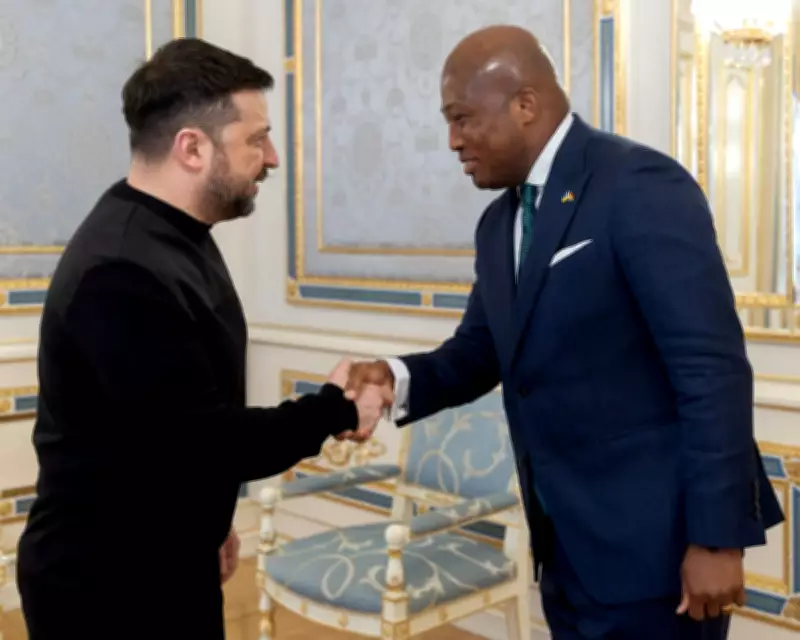
Ukrainian President Volodymyr Zelenskyy hosted Ghana's Foreign Minister Samuel Okudzeto Ablakwa for a critical meeting in Kyiv this week, as both nations addressed the alarming issue of African citizens being recruited by Russia to fight in its ongoing war against Ukraine. The diplomatic encounter occurred amidst intensified military operations across Ukrainian territory.
Ghana Confirms Significant Casualties Among Recruited Citizens
During his visit to the Ukrainian capital, Minister Ablakwa disclosed that at least 55 Ghanaian men have been killed after being "lured into battle" by Russian recruitment schemes. The Ghanaian politician shared these sobering statistics in a social media post following his discussions with Ukrainian officials.
"We were informed that 272 Ghanaians are believed to have been lured into battle since 2022," Ablakwa stated. "For this tragic situation, an estimated 55 have been killed and 2 captured as prisoners of war."
Widespread African Recruitment by Russia
Ukrainian Foreign Minister Andrii Sybiha, who appeared alongside Ablakwa at a media briefing, provided even broader context to the recruitment phenomenon. He revealed that more than 1,780 African people from 36 different countries are currently "fighting in the Russian army" against Ukraine.
Reports of African men being attracted to Russia through promises of employment, only to find themselves deployed to Ukraine's frontlines, have become increasingly frequent in recent months. This practice has created significant diplomatic tensions between Moscow and several African nations whose citizens have been affected.
Ghana's Response to Recruitment Schemes
Despite maintaining economic and diplomatic relations with Russia, Ghana has committed to taking decisive action against what Ablakwa described as "dark web illegal recruitment schemes operating within our jurisdiction." The foreign minister emphasized Ghana's determination to protect its youth from exploitation in a conflict that does not involve their nation.
"This is not our war and we cannot allow our youth to become human shields for others," Ablakwa declared firmly. He outlined Ghana's planned response, which includes:
- Intensifying public education campaigns about the dangers of foreign recruitment
- Working to track and dismantle all dark web illegal recruitment schemes operating in Ghana
- Raising international awareness about Russia's recruitment practices
The two captured Ghanaian prisoners of war have reportedly warned their fellow citizens against being tempted by financial incentives to join the conflict, according to information shared by the Ghanaian delegation.
Broader African Impact and Responses
The recruitment issue extends well beyond Ghana's borders. South Africa's government confirmed this week that two of its citizens have died on the Ukrainian frontlines, separate from a group of 17 South Africans who were previously tricked into fighting for Russia and have mostly been repatriated.
In a concerning development, South African authorities are investigating Duduzile Zuma-Sambudla, daughter of former President Jacob Zuma, for alleged involvement in luring more than a dozen South African men to Russia for military service.
Kenya faces similar challenges, with a Kenyan intelligence report indicating that more than 1,000 Kenyans have been recruited to fight for Russia. Kenya's foreign ministry has managed to rescue 27 Kenyans who became stranded in Russia, and Foreign Minister Musalia Mudavadi plans to visit Moscow in March for direct talks on this pressing issue.
Russian Denials and International Implications
Russian authorities have consistently denied allegations of illegally recruiting African citizens to fight in Ukraine. However, the mounting evidence from multiple African nations suggests a coordinated recruitment effort targeting vulnerable populations with promises of employment and financial stability.
The meeting between President Zelenskyy and Minister Ablakwa represents a significant diplomatic effort to address this humanitarian crisis. As the war in Ukraine continues into its third year, the exploitation of African citizens as combatants adds another complex dimension to the conflict's international ramifications.
Ghana's commitment to dismantling recruitment networks and protecting its citizens reflects growing concern among African nations about their populations being drawn into foreign conflicts through deceptive means. The situation highlights the need for increased international cooperation to prevent further exploitation of vulnerable individuals seeking economic opportunities abroad.