World Cup Security Concerns Rise After Mexican Drug Lord's Killing Sparks Violence
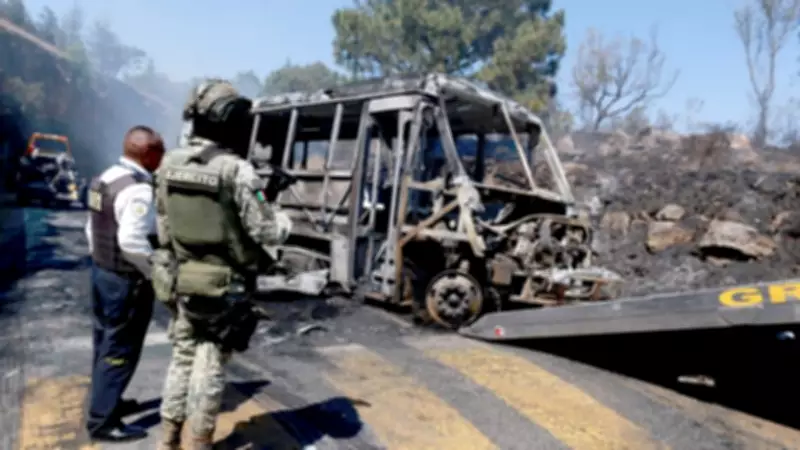
The Mexican government is bracing for further bloodshed following the killing of El Mencho, the head of the notoriously violent Jalisco New Generation drug cartel. This incident has triggered a wave of violence across the country, with significant implications for national security and international events.
Escalating Cartel Violence and Government Response
Mexican authorities anticipated a violent backlash after eliminating one of the nation's most powerful cartel bosses. However, the scale and spread of the violence have likely exceeded expectations. While the immediate unrest has calmed, experts warn it is unlikely to simply peter out, posing an ongoing threat.
Historically, cartels respond to such events in three distinct ways. First, they stage a show of strength to deter further government raids—a tactic already witnessed. Second, internal factional fighting or turf wars with rival cartels often erupt, a scenario gang members are reportedly discussing. Third, and most severe, is a coordinated war against the Mexican government and its security forces, which would represent a far more organized and dangerous escalation.
The Notorious Jalisco New Generation Cartel
El Mencho led the Jalisco New Generation cartel, an organization known for its extreme violence and unreliability. Journalists and intermediaries have long warned against approaching this group due to its dangerous reputation. Alongside the Sinaloa cartel, it is a top producer of illegal drugs, including the deadly opioid fentanyl, which is primarily manufactured in Mexico and exported to the United States, causing thousands of deaths annually.
The death of its leader does not signify the end of the cartel. The Jalisco New Generation remains a formidable and active criminal enterprise, capable of continuing its operations and violent tactics.
International Pressure and Political Implications
The Trump administration's war on drugs has focused heavily on countries like Colombia, Ecuador, Venezuela, and Mexico. With Venezuela's Nicholas Maduro captured earlier this year, pressure has intensified on Mexico's government to demonstrate results in combating cartels within its borders. El Mencho's killing is likely to be welcomed by the U.S. administration and may alleviate some pressure on Mexican President Claudia Sheinbaum.
World Cup Host Nation Faces Security Crisis
With the football World Cup approaching, and Mexico serving as a co-host nation alongside the United States and Canada, the timing of this violence is critical. President Sheinbaum's government must quickly contain the fallout to ensure safety for international visitors. If the cartel violence persists or escalates, it could deter tourists and fans from traveling to Mexico, jeopardizing the event's success and the country's international reputation.
The situation underscores the complex challenges facing Mexico as it balances domestic security with global responsibilities. The coming weeks will be crucial in determining whether the government can stabilize the region and secure a safe environment for the World Cup.