US Military Conducts Second Caribbean Drug Boat Strike in One Week
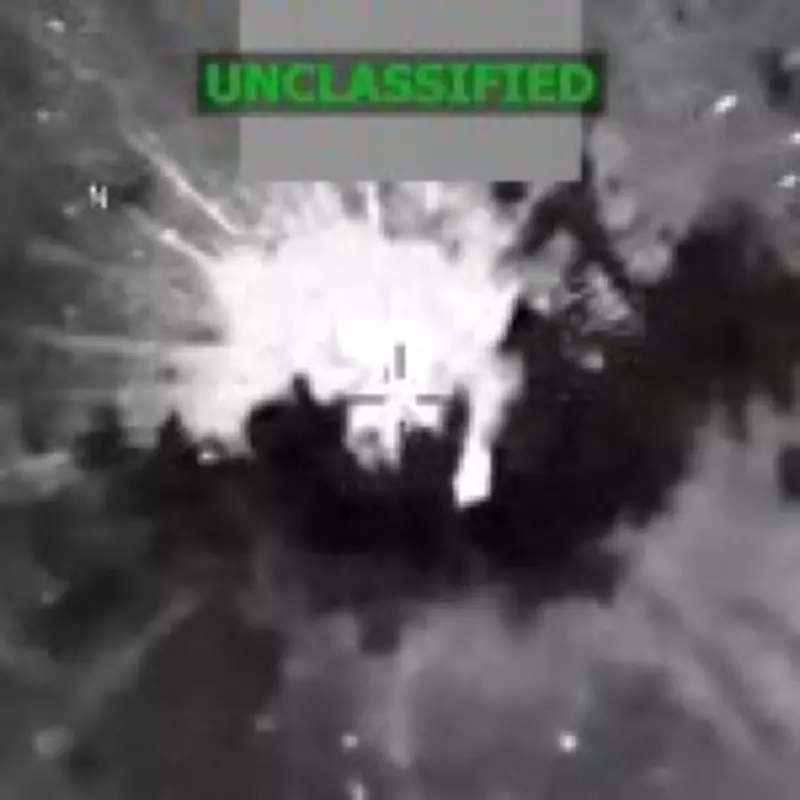
The United States military has executed another targeted strike on a suspected drug trafficking vessel in the Caribbean, marking the second such operation within a single week. According to a statement released on social media platform X by the US Southern Command, the kinetic action took place yesterday, resulting in the deaths of three individuals identified as narco-terrorists.
Details of the Latest Operation
In the post, the US Southern Command elaborated that the strike was directed by General Francis L. Donovan, commander of SOUTHCOM, and carried out by Joint Task Force Southern Spear. The targeted boat was operated by designated terrorist organizations and was navigating a known smuggling route, as confirmed by intelligence reports. The military emphasized that no US forces sustained injuries during the mission.
This incident follows a similar strike earlier in the week, on Monday, when US forces targeted another vessel in the eastern Pacific Ocean. In that operation, two suspected drug traffickers were killed, while a third survived, prompting a subsequent search and rescue effort. Footage from the strikes depicts boats erupting into flames after being hit by what appears to be missile fire.
Cumulative Death Toll and Legal Scrutiny
The Intercept reports that the total number of fatalities from US strikes on suspected narco-trafficking vessels has now reached 133. This recent attack is believed to be the first of its kind in the Caribbean since last November, highlighting an intensified enforcement campaign under the current administration.
However, these operations have sparked significant legal debate. Legal experts, including Brian Finucane, a former State Department lawyer specializing in counterterrorism, have raised concerns about compliance with international law. Finucane criticized the administration for asserting a broad "licence to kill" without clear legal boundaries, particularly as the US is not a signatory to the UN Convention on the Law of the Sea.
He stated, "This administration has asserted the prerogative to kill people outside the law, solely on the basis of the president labelling them terrorists. The president has wielded that authority in the Caribbean and the Pacific and could wield it domestically." These comments underscore ongoing controversies surrounding the legal frameworks governing such military actions.