
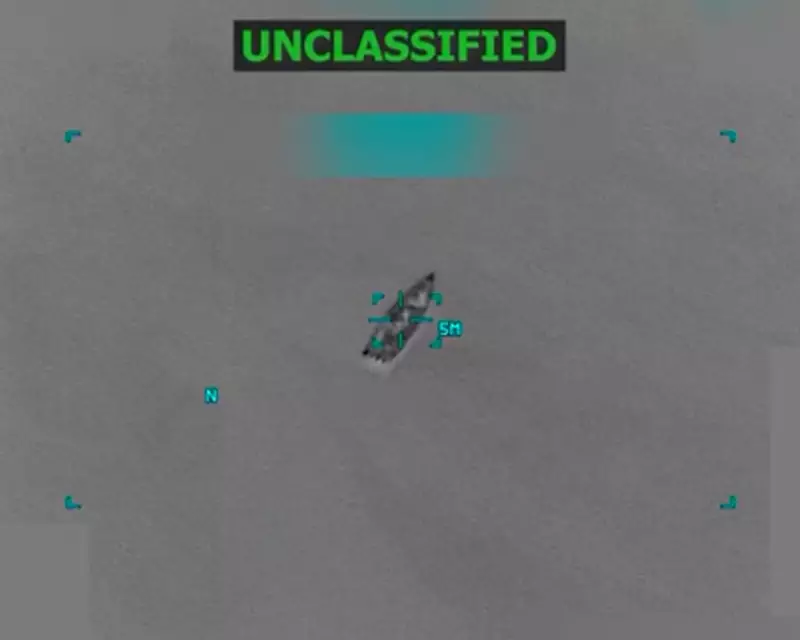
A controversial US military campaign targeting suspected drug-trafficking vessels has been plunged into a legal crisis following revelations of a deadly 'second tap' strike on survivors.
Controversial 'Second Tap' Revealed
According to a recent Washington Post report, a US strike on 2 September against a boat allegedly carrying narcotics from Venezuela was followed by a second assault. This follow-up attack reportedly targeted and killed two individuals who had survived the initial strike and were clinging to the wreckage. The report suggests the action was taken to comply with an order from Defence Secretary Pete Hegseth to "kill everybody" onboard, a claim Hegseth has denied.
This incident has shifted the focus onto the Trump administration's aggressive maritime campaign, which since September has seen more than 20 strikes in the Caribbean and Pacific, resulting in at least 81 fatalities. The administration justifies the actions by declaring an armed conflict with "narco-terrorists" it claims are allied with Venezuelan President Nicolás Maduro.
Legal Experts Decry Potential War Crime
Leading legal scholars have condemned the reported second strike as a clear violation of the Laws of Armed Conflict. Rebecca Ingber, a professor at Cardozo Law School and former State Department adviser, stated, "It is manifestly unlawful to kill someone who’s been shipwrecked. This is such a longstanding textbook principle."
This prohibition is explicitly outlined in the Pentagon's own Law of War manual, which states that the wounded, sick, or shipwrecked "shall be respected and protected" and making them an object of attack is "strictly prohibited." The manual also reinforces the duty of service personnel to refuse clearly illegal orders, such as to "fire upon the shipwrecked."
In response to the growing scandal, Republican-led armed services committees in Congress, typically supportive of Donald Trump, have vowed to investigate. The administration has offered conflicting explanations, with Trump distancing himself from the second strike while officials suggested Admiral Frank Bradley, the operation's commander, was targeting the disabled boat and its cargo, not the survivors.
Broader Campaign Legality Under Scrutiny
Legal analysts warn that the focus on the single 'second tap' incident risks obscuring a more fundamental flaw: the entire legal premise of the boat strike campaign. Brian Finucane of the International Crisis Group noted, "The broader campaign is really problematic... because there is no armed conflict. Without an armed conflict, you don’t have a law of war apply."
Geoffrey Corn, a former senior US army warfare law adviser, posed critical questions: "If the boat was your alleged military necessity for the second strike, why did you have to do it while they were clinging to the side? Why couldn’t you have intervened to save them?" He argued that treating a criminal menace as a wartime enemy creates a dangerous legal mismatch.
The principles established at the Nuremberg trials and US military law, as seen in the prosecution of Lieutenant William Calley for the My Lai massacre, reject obedience to superior orders as a defence for committing atrocities. As the congressional investigation looms, these foundational legal tenets are set for a stern test, with the credibility of the US's stated adherence to the rules of war hanging in the balance.




